





 Tuesday, 22-09-26








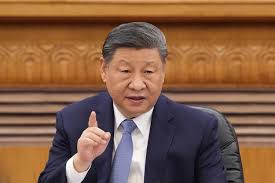
The growing possibility of a large-scale conflict involving Iran is triggering widespread concern among policymakers, investors, and global business leaders. At the center of these concerns is the looming risk of an Iran War Global Recession, a scenario that could destabilize financial markets, disrupt energy supplies, and slow economic growth worldwide.
Recent warnings from influential figures including China’s leadership, the International Monetary Fund, and major asset managers highlight how seriously the global community is taking the threat. The Iran War Global Recession narrative is gaining traction as geopolitical tensions intersect with an already fragile economic environment marked by inflation, high interest rates, and uneven recovery across regions.
Why an Iran Conflict Could Trigger a Global Recession
The risk of an Iran War Global Recession stems primarily from the country’s strategic position in the global energy system. Iran is a key player in the Middle East, a region that accounts for a significant portion of the world’s oil supply. Any disruption to production or transportation routes could send energy prices soaring.
One of the most critical chokepoints is the Strait of Hormuz, through which a large share of global oil shipments passes. In the event of a conflict, this route could be blocked or severely disrupted, leading to immediate supply shortages. The resulting spike in oil prices would have a cascading effect on global economies.
Higher energy costs translate directly into increased production and transportation expenses for businesses. This, in turn, drives up consumer prices, exacerbating inflation. Central banks, already grappling with inflationary pressures, may be forced to maintain or even raise interest rates, further slowing economic activity.
The Iran War Global Recession scenario becomes more likely when these factors combine. Reduced consumer spending, tighter financial conditions, and declining business investment create the conditions for a synchronized global slowdown.
Market Reactions and Investor Sentiment
Financial markets are highly sensitive to geopolitical risks, and the Iran War Global Recession fears are already influencing investor behavior. Equity markets tend to react negatively to uncertainty, while safe-haven assets such as gold and government bonds often see increased demand.
Energy markets, in particular, are closely watching developments. Even the perception of risk can drive oil prices higher, as traders factor in the possibility of supply disruptions. This volatility adds another layer of complexity for businesses and policymakers.
Major financial institutions are also adjusting their outlooks. Asset managers and investment firms are incorporating the Iran War Global Recession risk into their forecasts, reassessing portfolio allocations and risk management strategies. This shift reflects a broader recognition that geopolitical events can have profound economic consequences.
Investor sentiment plays a crucial role in amplifying the impact of such events. Negative sentiment can lead to reduced capital flows, lower investment levels, and increased market volatility, all of which contribute to economic slowdown.
The Role of Global Leadership and Policy Responses
Addressing the risk of an Iran War Global Recession requires coordinated action from global leaders and institutions. Governments must balance the need for security with the imperative to maintain economic stability.
China, as one of the world’s largest economies and a major energy importer, has a significant stake in preventing escalation. Its leadership has emphasized the importance of stability and dialogue, recognizing that a conflict would have far-reaching consequences.
The International Monetary Fund has also highlighted the risks associated with geopolitical tensions. The organization’s analysis suggests that even localized conflicts can have global repercussions, particularly when they involve key economic regions.
Policy responses may include strategic petroleum reserve releases, diplomatic efforts to de-escalate tensions, and measures to stabilize financial markets. However, the effectiveness of these actions depends on the scale and duration of the conflict.
The Iran War Global Recession scenario underscores the interconnected nature of the global economy. Actions taken in one region can quickly ripple across the world, affecting everything from commodity prices to employment levels.
Energy Markets at the Center of the Crisis
Energy markets are the most immediate transmission channel for the Iran War Global Recession risk. Oil and gas prices are highly sensitive to supply disruptions, and even minor interruptions can have significant effects.
In a conflict scenario, production facilities, pipelines, and shipping routes could be targeted or disrupted. This would reduce supply and increase prices, creating inflationary pressures across the global economy.
Countries that are heavily dependent on energy imports are particularly vulnerable. Higher import costs can strain government budgets, weaken currencies, and reduce economic growth. For developing economies, the impact can be even more severe, as they have fewer resources to absorb shocks.
At the same time, energy-exporting countries may experience short-term gains from higher prices. However, these benefits are often offset by broader economic instability and reduced global demand.
The Iran War Global Recession narrative highlights the need for diversification in energy sources. Investments in renewable energy, alternative fuels, and energy efficiency can help reduce dependence on volatile regions and improve resilience.
Business and Supply Chain Implications
Beyond energy, the Iran War Global Recession risk extends to global supply chains and business operations. Conflict can disrupt trade routes, increase shipping costs, and create uncertainty for companies operating in affected regions.
Multinational corporations may need to reassess their supply chain strategies, identifying alternative routes and suppliers to mitigate risks. This process can be costly and time-consuming, adding to the overall economic impact.
The Iran War Global Recession scenario also affects consumer behavior. Uncertainty and rising costs can lead to reduced spending, particularly on non-essential goods and services. This shift can have a significant impact on industries such as retail, travel, and entertainment.
Businesses must also navigate financial risks, including currency fluctuations and changes in interest rates. Effective risk management becomes critical in such an environment, requiring a combination of strategic planning and operational flexibility.
A Fragile Global Economy Faces New Risks
The timing of the Iran War Global Recession threat is particularly concerning. The global economy is still recovering from recent shocks, including the pandemic and supply chain disruptions. Inflation remains a challenge in many regions, and central banks are maintaining tight monetary policies.
In this context, a major geopolitical conflict could act as a tipping point. The combination of high energy prices, reduced consumer spending, and financial market volatility could push the global economy into recession.
However, it is important to note that the outcome is not predetermined. Much depends on how the situation evolves and how effectively global leaders respond. Diplomatic efforts, strategic interventions, and coordinated policies can help mitigate risks and prevent worst-case scenarios.
Looking Ahead
The Iran War Global Recession narrative reflects a broader reality of the modern global economy. Geopolitical risks are becoming increasingly intertwined with economic outcomes, creating a complex and uncertain environment for decision-makers.
For investors, businesses, and policymakers, the key challenge is navigating this uncertainty while maintaining resilience. Diversification, risk management, and strategic planning are essential tools in this process.
As the situation develops, the world will be watching closely. The stakes are high, and the consequences of miscalculation could be significant. The Iran War Global Recession remains a possibility, but it is also a reminder of the importance of stability, cooperation, and proactive policy measures in an interconnected world.
Read More