





 Friday, 19-06-26








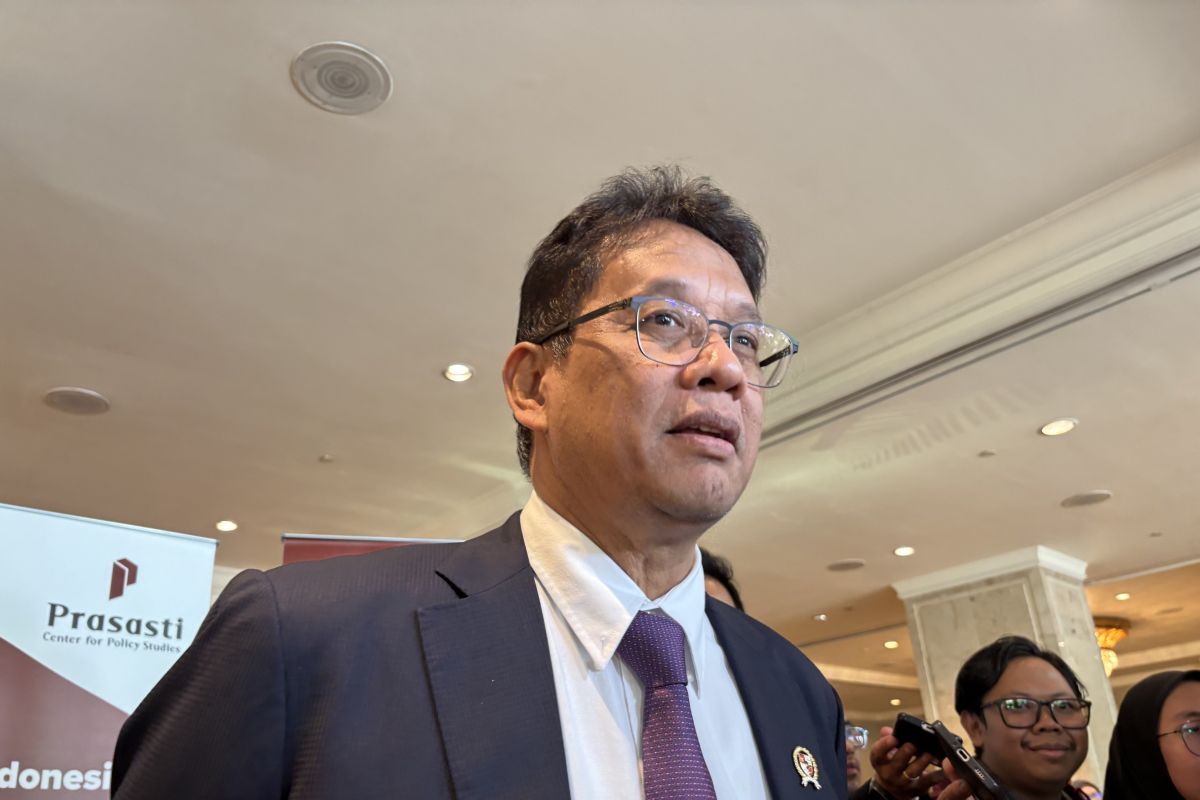
Minister Purbaya DHE SDA centralization policy stirs debate in Indonesia's financial circles, mandating exporters to park 100% of natural resource export proceeds in state-owned banks starting January 2026. Finance Minister Purbaya Yudhi Sadewa pushes this revision to Government Regulation No. 8/2025, aiming to plug leaks where dollars slip abroad after quick conversions. While supporters hail it for bolstering rupiah stability, critics worry about private bank squeezes and exporter burdens.
Rationale Behind the Centralization Push
Purbaya DHE SDA centralization policy addresses past flaws, where exporters placed funds in unspecified financial institutions, leading to rapid rupiah swaps and outflows via small banks. By routing everything through Himbara like BNI, BRI, BTN, and Mandiri, oversight sharpens, with Bank Indonesia monitoring flows more effectively. Purbaya warns of swift leadership changes for underperforming state bank execs, underscoring commitment to genuine FX reserve growth.
Exporters of coal, palm oil, and minerals stand to feel the pinch, facing a full-year hold before utilization, up from prior flexibilities. Yet, officials argue this ensures dollars circulate domestically longer, curbing volatility amid global pressures. Febrio Kacaribu from the Finance Ministry notes consultations with banks and businesses smoothed the path, balancing national interests with practicality.
The move aligns with broader fiscal strategies, including coal export duties, to fund downstreaming and infrastructure without external debt reliance.
Arguments in Favor of the Policy
Proponents of Purbaya DHE SDA centralization policy emphasize fortified reserves, crucial as Indonesia eyes trillion-dollar ambitions under new leadership. Centralizing inflows prevents the cycle where dollars enter, convert to rupiah, then exit as foreign currency, starving local liquidity. Himbara's scale equips them to intermediate effectively, channeling funds to productive sectors like manufacturing and renewables.
State banks gain a windfall, potentially tripling FX deposits, enhancing lending capacity for SMEs hit by tight credit. Government leverage over Himbara ensures compliance, unlike fragmented private placements. Exporters adapt by negotiating better terms, with some associations pledging support for national stability over short-term costs.
Long-term, this builds rupiah credibility, attracting FDI and easing import pressures on essentials like fuel and food.
Criticisms and Potential Drawbacks
Detractors highlight how Purbaya DHE SDA centralization policy sidelines private banks, already grappling with narrowing margins in a high-rate environment. HSBC Indonesia voices support yet flags liquidity imbalances, as non-Himbara lose corporate deposits vital for operations. Smaller exporters decry opportunity costs, with idle dollars curbing working capital for reinvestment amid fierce global competition.
Risks include Himbara overload, straining capacity without proportional tech upgrades for FX management. Coal miners, facing added duties, argue layered regulations stifle exports, potentially ceding market share to neighbors like Australia. Business chambers urge phased rollout and incentives to offset frictions.
Private sector innovation might stall if state dominance crowds out agile services like swift cross-border payments.
Implementation Challenges and Outlook
Rolling out Purbaya DHE SDA centralization policy demands robust systems, with Himbara prepping special accounts and BI refining reporting. Purbaya's letter to the State Secretary fast-tracks the revised PP, targeting year-end promulgation. Training for exporters and bankers minimizes disruptions, while caps on rupiah conversions preserve some flexibility.
Stakeholders call for impact studies, especially on trade balances where SDA dominates. Success hinges on enforcement without overreach, fostering trust through transparent metrics on reserve gains. As 2026 nears, markets watch for ripple effects on exchange rates and bank stocks.
Optimists see Purbaya DHE SDA centralization policy as a bold stabilizer, echoing successful models elsewhere. Critics push for hybrid approaches blending state oversight with private participation. Either way, it reshapes Indonesia's export finance landscape profoundly.
Read More