





 Tuesday, 28-07-26








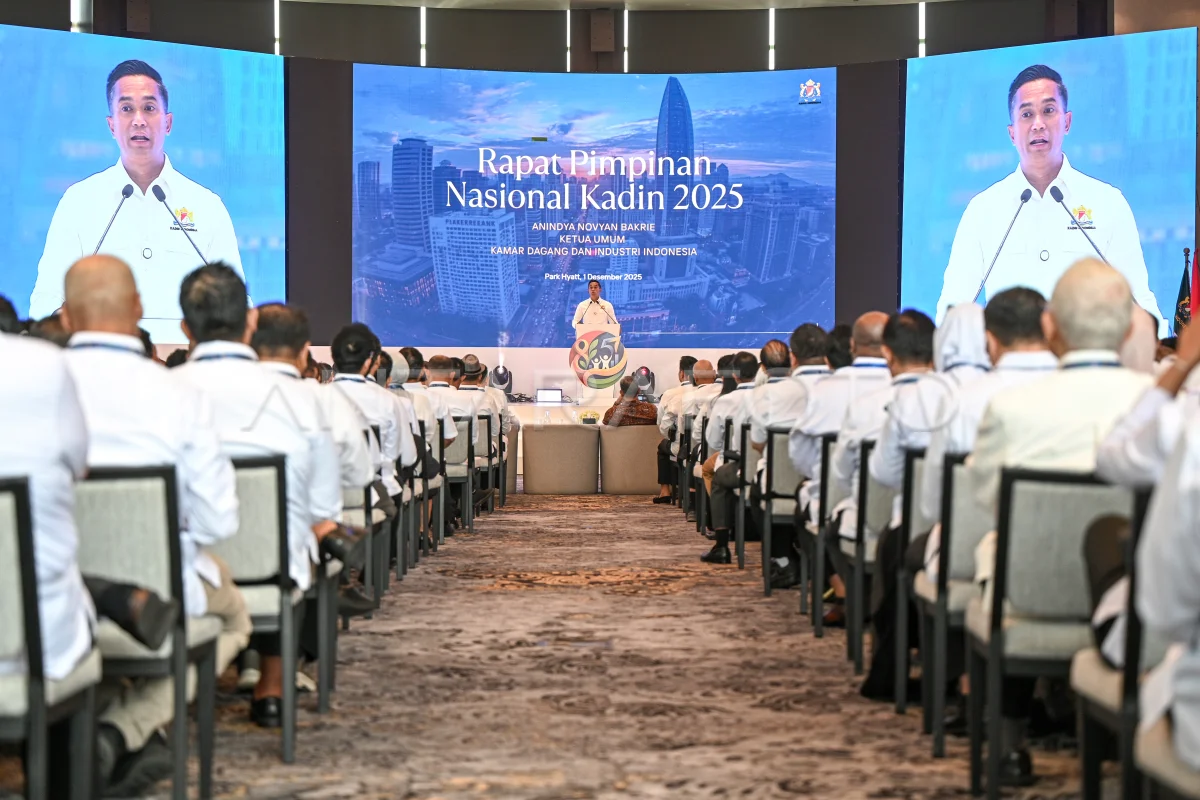
In early December 2025, Kadin Indonesia announced it will prepare a formal policy document — a policy paper — containing the outcomes and recommendations from its 2025 National Leadership Meeting (Rapimnas 2025). This initiative signals Kadin’s intention to provide structured guidance and concrete proposals to Prabowo Subianto’s administration, aiming to align business sector aspirations with national policy direction. As Indonesia faces a complex economic and social landscape, the Kadin Policy Paper could play a pivotal role in shaping the future of business-government collaboration, investment climate, labor markets, and economic development strategies.
Context: What Is Rapimnas 2025 and Why the Policy Paper Matters
Rapimnas 2025 serves as an annual convening of business leaders under Kadin Indonesia to evaluate past year performance, surface constraints faced by the private sector, and formulate strategic proposals for the coming period. According to the organization, this year’s Rapimnas adopts a bottom-up approach: inputs and recommendations are collected from regional branches and various sectors before being synthesized into final proposals. This method aims to ensure that the voices of small and medium enterprises (SMEs), regional businesses, and diverse industries are heard — not only those of large conglomerates.
Through this inclusive method, Kadin aims to draft a policy paper that reflects ground-level realities and sector-specific challenges. The resulting Kadin Policy Paper will be submitted to the president, making it a direct channel for private-sector feedback and for influencing future economic policy. In a time of global economic uncertainty, rising costs, and structural challenges within Indonesia’s economy, this bridging role becomes particularly crucial.
Key Recommendations Proposed by the Policy Paper
Based on publicly revealed information about Kadin’s proposals for Rapimnas 2025, the Kadin Policy Paper is expected to cover at least five strategic areas:
- Job Creation and Welfare Improvement
- Kadin emphasizes the importance of generating new employment opportunities and improving overall welfare. This includes leveraging government initiatives such as the free nutritional food program and a mass housing project (3 million houses), with a focus on involving MSMEs (micro, small, and medium enterprises) in supply chains. By doing so, Kadin aims to stimulate local economies, support small businesses, and increase livelihood opportunities in various regions.
- Productivity and Competitiveness Enhancement
- To make Indonesia globally competitive, the policy paper underlines that improving productivity must be a priority. Kadin argues that productivity gains are essential to offset high costs such as logistics or regulatory burdens. It recommends reviewing wage-setting mechanisms so that minimum wage reflects productivity rather than mere inflation, thereby helping sustain labour-intensive industries while maintaining competitiveness.
- Vocational and Workforce Reform
- Recognizing mismatch between workforce skills and industry needs, Kadin proposes vocational reform. This includes establishing advisory boards in universities and vocational schools to better align curriculums with actual industrial demand, particularly in sectors facing serious skill gaps. Such reform would help reduce structural unemployment among youth and ensure industries have access to skilled labour tailored to market needs.
- Improved Ease of Doing Business and Investment Climate
- Kadin highlights the need for systemic reform in licensing and business regulation. The policy paper proposes shifting from person-based licensing to system-based licensing for more transparent, efficient, and predictable business procedures. This change aims to reduce red tape, increase investor confidence, and attract more domestic and foreign investment — critical to drive manufacturing growth and industrial revival.
- Strengthening Domestic Industry, SMEs, and Trade Policies
- To support long-term economic resilience, Kadin recommends using trade remedies (like anti-dumping or safeguard measures) against unfair import practices, promoting domestic products, and helping SMEs leverage free trade agreements and export markets. The proposals also envision Kadin playing an active role in trade diplomacy and export promotion, opening new markets for Indonesian products while safeguarding local industries.
Potential Impact for Indonesian Economy and Society
If the Kadin Policy Paper’s recommendations are adopted, several positive outcomes may follow.
Firstly, employment rates may improve significantly, especially if the MSME-based supply chains, mass housing and welfare programs are implemented with local participation. This could help absorb youth labour and reduce structural unemployment, which remains a concern in Indonesia.
Secondly, improved productivity and better workforce skills could make Indonesian industries more competitive internationally. That might lead to renewed interest by investors, revitalization of manufacturing sectors, and increased exports — boosting economic growth.
Thirdly, reforms to ease business licensing and regulation could lower barriers for SMEs and new ventures. This could foster entrepreneurship, innovation, and attract investment — both domestic and foreign. For SMEs spread across regions, easier regulatory procedures could mean access to formal markets, financing, and upward mobility.
Fourthly, stronger trade protections and export readiness may help local industries scale up, while supporting Indonesia’s goal to become more self-reliant and less dependent on imports. By promoting local products and enabling SMEs to access global markets, the economy could become more diversified and resilient against external shocks.
Lastly, the policy paper could strengthen collaboration between private sector and government — bridging the gap between business realities and public policy. This collaborative approach might accelerate reforms in critical structural areas such as labour, industry, trade, and regulation.
Challenges and Risks Ahead
However, translating the Kadin Policy Paper into real impact may face several challenges.
One issue is policy alignment and coordination. While Kadin can propose reforms, implementation requires buy-in from government agencies, local authorities, and regulatory bodies. Misalignment of priorities or bureaucratic inertia could slow progress.
Another challenge is execution capacity — for example, integrating MSMEs into large supply chains demands strong logistics, funding, and management capabilities, which many small enterprises may lack. Ensuring that vocational schools and universities quickly adapt curricula and build capacity will not be simple, especially in regions with limited resources.
There is also the risk of uneven adoption: big businesses may benefit more easily from reforms, while SMEs and rural enterprises could lag behind due to resource constraints, lack of access to finance, or limited institutional support.
Finally, global economic uncertainties and external shocks (commodity price fluctuations, trade tensions, global inflation) may hamper export-oriented strategies, affecting the projected gains from enhanced competitiveness and trade.
Why This Policy Paper Matters for Businesses, Investors, and Policymakers
For businesses, the Kadin Policy Paper offers a roadmap: clearer regulation, easier licensing, better-skilled labour, and stronger domestic supply chains. This can lower barriers to growth, reduce uncertainty, and make long-term planning more feasible.
For investors, the paper — if adopted — can signal improved ease of doing business, reduced regulatory risk, and better growth prospects in Indonesia’s industrial and MSME sectors. That could translate into increased interest from both domestic and foreign capital.
For policymakers, the policy paper offers insight into the private sector’s challenges and priorities, enabling more informed decision-making. It can serve as a bridge between economic development goals and ground-level realities, helping to craft policies that are pragmatic, inclusive, and growth-oriented.
For workers and society at large, the proposed focus on job creation, welfare, vocational reform, and regional economic inclusion could translate into more stable livelihoods, improved access to opportunities, and reduced inequality.
Conclusion: Kadin Policy Paper as Opportunity for Inclusive Economic Growth
The decision by Kadin Indonesia to prepare a policy paper following Rapimnas 2025 represents more than a formal gesture. It reflects a serious effort to articulate business sector concerns and translate them into actionable policy recommendations for the government under President Prabowo.
If implemented with commitment and coordination, the recommendations — spanning job creation, productivity improvement, vocational reform, ease of doing business, and trade protection — can help address structural challenges in Indonesia’s economy.
For the first time in a while, there is an opportunity to align business potentials, regional diversity, SME capacity, and national economic goals. The Kadin Policy Paper could thus become a cornerstone for inclusive and sustainable economic growth — but its success will depend on collaboration, execution, and consistent political will.
As Indonesia moves forward, stakeholders from business, government, and civil society will need to engage closely. The coming months will reveal whether these recommendations will remain on paper, or catalyze real change for Indonesia’s economy.
Read More