





 Sunday, 05-07-26








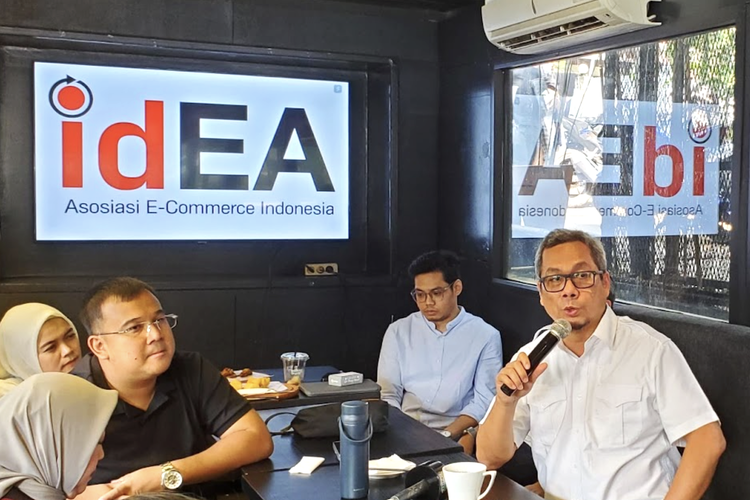
Indonesia’s accelerating digital transformation agenda is placing new attention on the importance of data governance, particularly within systems designed to support micro, small, and medium enterprises. The issue recently gained momentum after the Indonesian E Commerce Association, known as IDEA, highlighted governance risks surrounding the integration of the SAPA UMKM system. The discussion reflects a growing realization that digital integration is not only about building platforms and expanding connectivity. It is also about ensuring data security, transparency, accountability, and interoperability across institutions.
As Indonesia continues modernizing public services and strengthening its digital economy ecosystem, experts warn that weak governance frameworks could create operational risks, reduce trust, and potentially expose sensitive business information. The concern surrounding the SAPA UMKM integration initiative comes at a critical moment. Indonesia has been aggressively encouraging digital adoption among small businesses to improve competitiveness, financial inclusion, and market access. Millions of micro and small enterprises are increasingly relying on digital platforms for payments, logistics, commerce, and financing. However, the rapid expansion of digital ecosystems also raises questions regarding how data is collected, shared, protected, and managed across multiple institutions. The growing importance of Data Governance therefore reflects broader challenges facing emerging digital economies across Southeast Asia.
Why Data Governance Matters in Indonesia Digital Economy
Indonesia’s digital economy has become one of the fastest growing sectors in Southeast Asia. E commerce, digital payments, online lending, logistics platforms, and cloud services are expanding rapidly as internet penetration continues increasing across the country.
Small businesses have become a central part of this transformation. The government has repeatedly emphasized the importance of integrating UMKM into digital ecosystems to strengthen economic resilience and improve national productivity. Programs like SAPA UMKM are designed to simplify access to government services, financing programs, market information, and business support systems. By integrating multiple databases and institutional platforms, policymakers aim to reduce bureaucracy and improve efficiency for entrepreneurs.
However, large scale integration also creates significant governance responsibilities. Data Governance becomes critical because integrated systems often involve sensitive business information, financial records, identification data, transaction histories, and operational details. Without strong governance mechanisms, the risk of data misuse, cyber vulnerabilities, and institutional overlap could increase substantially. Industry observers argue that digital trust has become one of the most valuable assets in today’s economy. If users lose confidence in how their data is managed, adoption rates may decline and digital transformation initiatives could face public resistance.
The Indonesian E Commerce Association emphasized that governance frameworks must clearly define data ownership, access rights, interoperability standards, and institutional accountability. This issue is becoming increasingly important because Indonesia’s digital ecosystem involves multiple stakeholders, including government agencies, fintech companies, banks, e commerce platforms, logistics operators, and telecommunications providers. Strong Data Governance therefore serves as the foundation for sustainable digital ecosystem development.
SAPA UMKM Integration Reflects Broader Digital Transformation Goals
The SAPA UMKM initiative forms part of Indonesia’s broader effort to strengthen support systems for small businesses through technology integration. Micro, small, and medium enterprises contribute significantly to Indonesia’s economy. They account for the majority of business activity and absorb large portions of the national workforce. Despite their importance, many small businesses still face barriers related to financing access, digital literacy, formalization, and market expansion. The government sees digital integration as a solution for improving coordination between institutions while simplifying business processes for entrepreneurs.
Through integrated systems, policymakers hope to improve policy targeting, accelerate business registration, distribute assistance programs more efficiently, and strengthen economic data collection. The initiative also aligns with Indonesia’s ambition to become a leading digital economy in Southeast Asia. Digital public infrastructure is increasingly viewed as essential for long term competitiveness, especially as neighboring countries accelerate their own technology modernization strategies. However, experts warn that rapid integration without comprehensive governance preparation may create unintended consequences.
One of the biggest concerns involves overlapping authority between institutions managing business data. Without clear governance rules, disputes over access rights and operational responsibilities could emerge. Cybersecurity also remains a major challenge. Indonesia has experienced multiple high profile data breach incidents in recent years involving both public and private institutions. These incidents have intensified public concern regarding digital system security and institutional preparedness. As more business data becomes centralized and interconnected, the potential impact of cyberattacks could become significantly larger. The discussion around Data Governance is therefore closely connected to national cybersecurity resilience and digital sovereignty.
Balancing Innovation With Privacy and Security
Indonesia faces a complex balancing act between accelerating innovation and protecting user rights. On one hand, integrated digital ecosystems can improve efficiency, reduce administrative friction, and unlock economic opportunities for millions of entrepreneurs. On the other hand, aggressive data integration may create privacy risks if governance standards remain weak or inconsistent. Data Governance frameworks are increasingly expected to address multiple dimensions simultaneously, including security, compliance, transparency, ethical use, and operational accountability.
Global digital economy trends show that governance quality often determines long term platform sustainability. Countries and companies with stronger governance systems generally attract higher levels of digital trust from users, investors, and international partners. Indonesia’s evolving regulatory environment reflects growing awareness of this issue. The government has introduced various regulations related to personal data protection, electronic systems, and cybersecurity governance in recent years.
However, implementation consistency remains a challenge. Technology analysts argue that governance effectiveness depends not only on regulations but also on institutional coordination, enforcement capability, technical infrastructure, and public awareness. The rapid expansion of artificial intelligence, cloud computing, and digital financial services is making governance requirements even more complex. For small businesses, trust becomes especially important because many entrepreneurs still remain cautious about sharing operational and financial data digitally. Concerns regarding privacy, taxation exposure, and administrative complexity can influence adoption decisions. Effective Data Governance frameworks could therefore play a major role in accelerating Indonesia’s broader digital inclusion goals.
Indonesia Digital Economy Requires Long Term Institutional Coordination
The debate surrounding SAPA UMKM integration highlights the growing importance of long term institutional coordination within Indonesia’s digital transformation agenda. Digital ecosystems cannot operate effectively in fragmented regulatory environments. As more institutions become interconnected, coordination between ministries, regulators, private sector platforms, and cybersecurity agencies becomes increasingly necessary.
Industry associations like IDEA are encouraging policymakers to prioritize governance readiness alongside technological expansion. This includes building clear standards for data sharing, interoperability protocols, audit mechanisms, and risk management frameworks.
Observers note that digital transformation success is no longer measured solely by platform adoption rates or transaction volume. Governance quality, security resilience, and institutional trustworthiness are becoming equally important indicators.Indonesia’s demographic and economic scale make the country one of the most promising digital markets globally. With a large young population and rapidly expanding internet usage, the country is expected to remain a major growth center for Southeast Asia’s technology economy.
At the same time, digital complexity will continue increasing as businesses adopt more integrated systems involving finance, commerce, logistics, artificial intelligence, and government services. The role of Data Governance will therefore become even more central in shaping Indonesia’s long term digital competitiveness. Experts believe the country still has significant opportunities to strengthen governance frameworks proactively before digital risks become more difficult to manage. Building transparent systems early could help Indonesia improve investor confidence, strengthen cybersecurity resilience, and accelerate public trust in digital services.
The SAPA UMKM discussion may ultimately represent a broader turning point in how Indonesia approaches digital ecosystem governance moving forward. As digital transformation accelerates across sectors, the ability to balance innovation, security, efficiency, and accountability will likely determine the sustainability of Indonesia’s digital economy ambitions.
Read More