





 Tuesday, 19-05-26








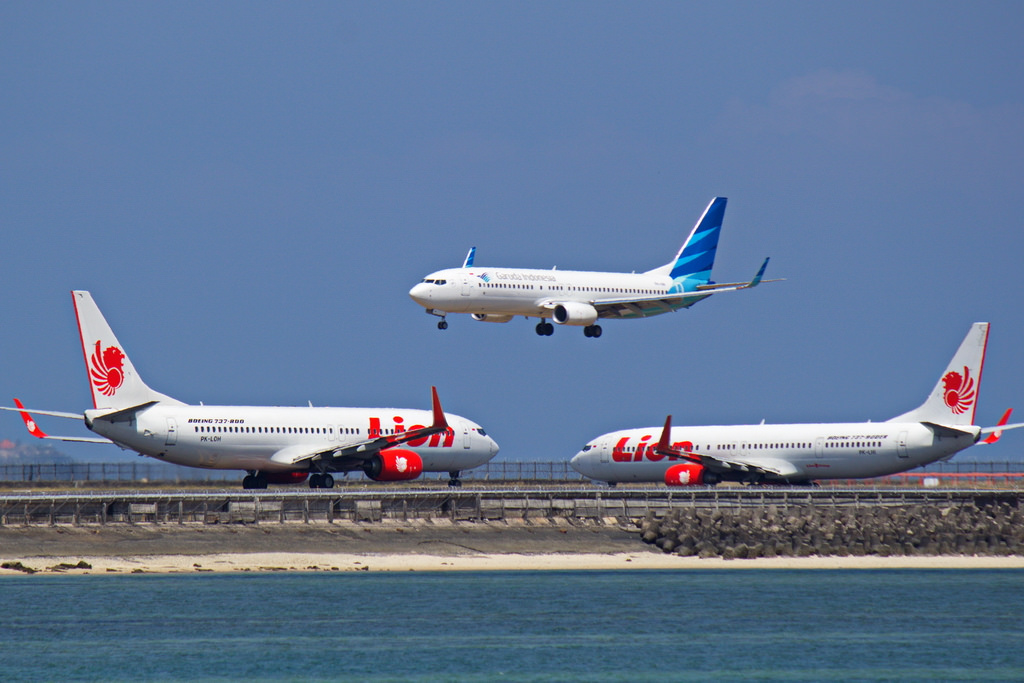
Indonesia’s aviation sector is once again facing intense debate following discussions surrounding the upper limit tariff policy for domestic airlines. The issue has become increasingly important as airline operators struggle with rising operational costs while passengers continue demanding affordable ticket prices. The government’s Airline Fare Cap policy was originally designed to protect consumers from excessive airfare spikes, especially during peak travel periods. However, industry players argue that the policy may now be limiting airline flexibility in responding to higher fuel prices, currency fluctuations, maintenance expenses, and operational pressures.
The discussion gained momentum after several aviation stakeholders highlighted both the advantages and disadvantages of maintaining strict airfare ceilings. The policy has become a major talking point within Indonesia’s transportation sector because it directly affects airline profitability, market competition, tourism growth, and passenger accessibility. As Southeast Asia’s largest archipelago nation, Indonesia relies heavily on air transportation to connect thousands of islands. Any adjustment to the Airline Fare Cap system could therefore have broad implications not only for airlines, but also for tourism, regional economies, and consumer spending patterns.
Why Indonesia Uses an Airline Fare Cap System
Indonesia introduced airfare ceiling regulations to prevent airlines from charging excessively high ticket prices, particularly during holiday seasons and periods of strong travel demand. The system sets a maximum allowable ticket price for specific routes, aircraft categories, and service classes. The government views the Airline Fare Cap mechanism as a form of consumer protection. In a country where air travel is often essential rather than optional, authorities believe pricing controls help maintain accessibility for millions of passengers.
Without price controls, ticket prices on popular domestic routes could potentially rise sharply during periods of high demand. This would place additional financial pressure on consumers, especially middle class travelers and business passengers who frequently depend on domestic flights. The policy also aims to reduce the risk of unfair pricing practices within the aviation market. Regulators believe upper tariff limits can help maintain healthy competition while preventing excessive profit taking during peak travel periods.
Indonesia’s aviation market has unique characteristics compared to many other countries. The country consists of more than 17,000 islands, making aviation infrastructure critical for economic integration and national mobility. Domestic flights are often the fastest and most practical transportation option for business activity, tourism, education, and logistics. As a result, airfare affordability carries significant political and economic importance. Policymakers must balance consumer interests with airline sustainability. The Airline Fare Cap debate therefore reflects a larger policy dilemma between public service obligations and commercial business realities.
Airlines Face Rising Operational Costs
While the fare ceiling policy benefits consumers, airline operators argue that current pricing limits no longer fully reflect operational realities. One of the biggest challenges facing airlines is aviation fuel prices. Fuel remains one of the largest cost components for airline operations globally. In Indonesia, fluctuating global oil prices and rupiah exchange rate volatility continue affecting operational expenses. Maintenance costs have also risen significantly in recent years. Airlines depend heavily on imported aircraft components, spare parts, and technical services that are mostly denominated in US dollars. Currency depreciation can therefore increase operational burdens substantially.
Labor costs, airport fees, insurance expenses, and fleet financing obligations are also putting additional pressure on airline balance sheets. Industry players argue that the Airline Fare Cap restricts their ability to adjust pricing dynamically based on market conditions. During periods of higher costs, airlines may struggle to maintain profitability if ticket prices remain capped below commercially sustainable levels.
Several analysts warn that prolonged pricing pressure could eventually affect service quality and fleet expansion plans. Airlines facing financial constraints may delay aircraft upgrades, reduce flight frequencies, or limit investment in passenger experience improvements.
Some operators have also pointed out that low profit margins could reduce investor appetite toward Indonesia’s aviation sector. This becomes especially relevant as airlines compete regionally with carriers from Singapore, Malaysia, Thailand, and Vietnam.
The situation has become more complex because passenger demand has largely recovered after the pandemic era. Travel activity has increased strongly, but airlines argue that cost structures remain significantly higher than pre pandemic levels. As travel demand continues growing, the Airline Fare Cap discussion is becoming increasingly urgent for both regulators and aviation companies.
Consumer Protection Remains a Government Priority
Despite industry concerns, the government continues emphasizing the importance of maintaining consumer affordability. Authorities argue that removing or significantly increasing fare ceilings could create negative economic consequences for households and regional mobility. Indonesia’s middle class remains highly sensitive to transportation costs, especially amid inflationary pressures and broader economic uncertainty. Affordable air travel is also closely linked to tourism recovery. Domestic tourism remains one of Indonesia’s major economic drivers, supporting hotels, restaurants, transportation providers, and local businesses across multiple provinces.
Higher ticket prices could reduce travel frequency, weaken tourism spending, and slow regional economic growth. This concern is particularly important for destinations heavily dependent on domestic tourists. The government therefore faces a delicate balancing act. On one side, airlines require sustainable profitability to maintain operational quality and long term industry stability. On the other side, consumers expect affordable transportation access. Some policymakers believe the solution may involve periodic adjustments to the Airline Fare Cap rather than complete deregulation. This approach would allow regulators to respond more flexibly to fuel prices, exchange rates, and market conditions while still protecting passengers from excessive fare spikes.
Another possibility involves differentiated pricing structures based on route demand, seasonal travel patterns, and airline categories.
Consumer groups generally support maintaining some form of fare regulation. They argue that Indonesia’s aviation industry still requires oversight to ensure fair pricing practices and equal accessibility across regions. The Airline Fare Cap debate therefore reflects broader economic tensions between market liberalization and public welfare priorities.
Indonesia Aviation Industry Faces Competitive Pressure
Indonesia’s aviation market remains one of Southeast Asia’s most competitive sectors. Airlines compete aggressively across pricing, route networks, customer experience, and operational efficiency. Low cost carriers continue dominating large portions of the domestic market. Competitive pricing strategies have historically helped increase air travel accessibility for millions of Indonesians. However, aggressive price competition can also reduce industry profitability. Several aviation analysts have warned that prolonged pricing wars may weaken financial resilience across the sector.
The Airline Fare Cap system adds another layer of complexity because airlines must compete within regulated pricing boundaries. This can limit revenue optimization strategies, particularly on high demand routes. At the same time, Indonesia’s growing middle class and expanding tourism sector continue creating long term growth opportunities for aviation companies. Passenger traffic is expected to keep increasing as infrastructure connectivity improves and regional economic activity expands.
Airports across Indonesia are also undergoing modernization and expansion projects to support future traffic growth. Government infrastructure investment remains focused on improving national connectivity and strengthening tourism corridors. Digital transformation is also reshaping airline competition. Airlines increasingly rely on dynamic pricing technology, customer loyalty programs, ancillary revenue streams, and digital booking platforms to improve margins. In this evolving landscape, the future of the Airline Fare Cap policy will likely play a critical role in determining how Indonesia’s aviation industry develops over the next decade.
Finding the Right Balance for Future Growth
The ongoing debate surrounding Indonesia’s airfare ceiling policy highlights the difficult balance between economic accessibility and commercial sustainability. Airlines need sufficient profitability to maintain fleet quality, safety standards, operational reliability, and long term investment plans. At the same time, consumers depend on affordable ticket prices for mobility and economic participation. Indonesia’s unique geography makes aviation more than simply a commercial industry. Air transportation serves as a strategic national infrastructure connecting people, businesses, and regional economies across thousands of islands.
As policymakers review future aviation regulations, flexibility may become increasingly important. Industry observers believe adaptive pricing mechanisms could help balance airline sustainability with consumer protection objectives. The Airline Fare Cap discussion ultimately represents a broader challenge facing many emerging economies: how to create a competitive, financially healthy aviation sector while ensuring transportation accessibility for the wider population. For Indonesia, the outcome of this debate could shape not only airline profitability, but also tourism growth, regional development, and national economic connectivity for years to come.
Read More