





 Monday, 29-06-26








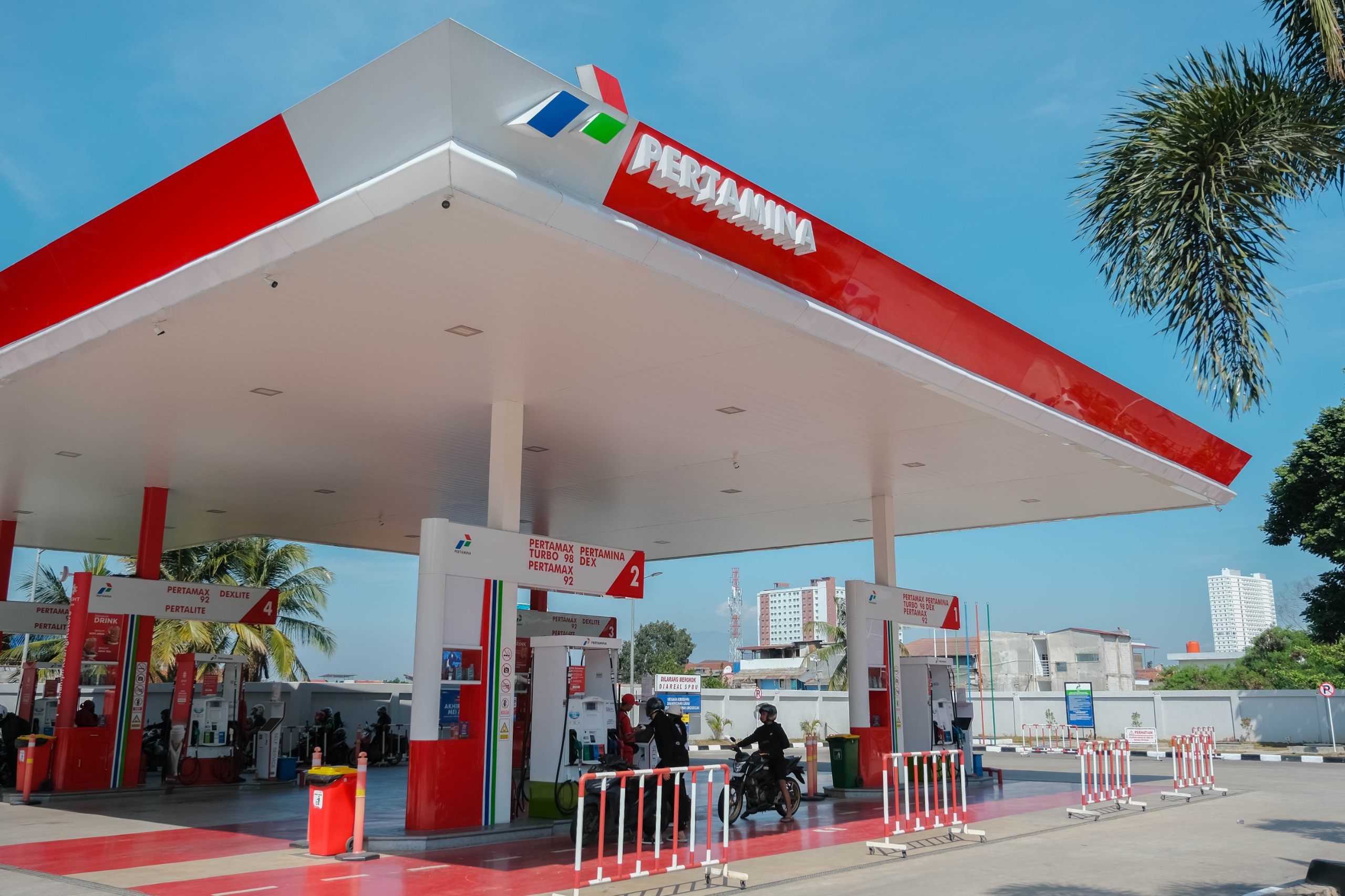
Indonesia’s decision to maintain Pertamax fuel prices despite ongoing volatility in global crude oil markets is drawing attention from economists, energy analysts, and businesses across Southeast Asia. As international oil prices fluctuate due to geopolitical tensions, supply uncertainty, and changing global demand patterns, state owned energy company Pertamina has chosen to hold Pertamax prices steady in the domestic market.
The move highlights a broader strategy by Indonesia to maintain economic stability and protect consumer purchasing power during a period of growing global uncertainty. At a time when energy prices remain highly sensitive to geopolitical developments and shifting commodity markets, Pertamax price stability has become an important policy tool for managing inflation and sustaining domestic consumption.
According to reports from Bisnis Indonesia, Pertamina decided not to increase non subsidized Pertamax fuel prices even though world crude oil prices experienced fluctuations in recent weeks. The company cited several considerations, including exchange rate movements, national economic stability, and the government’s broader inflation control strategy.
The decision comes as many countries continue facing pressure from volatile energy costs. In several global markets, fuel prices have risen sharply in response to supply disruptions, production cuts by major oil producers, and geopolitical tensions involving energy producing regions. Indonesia, however, appears determined to reduce the impact of external shocks on domestic consumers.
Analysts say Pertamax price stability could play a critical role in supporting Indonesia’s economic growth momentum throughout 2026. Household consumption remains one of the country’s primary economic drivers, making fuel price management a sensitive and strategically important issue.
Why Global Oil Prices Remain Highly Volatile
The global oil market has entered another period of uncertainty following renewed geopolitical tensions and changing production dynamics among major oil producing countries. Brent crude and West Texas Intermediate prices have experienced repeated fluctuations over the past several months as investors respond to shifting market conditions.
One major factor affecting global oil prices is supply management by the Organization of the Petroleum Exporting Countries and its allies, commonly known as OPEC Plus. Production decisions from major exporters such as Saudi Arabia and Russia continue influencing global energy prices.
In addition, geopolitical instability in several regions has increased concerns about potential supply disruptions. Conflicts involving strategic shipping routes and sanctions affecting major energy exporters have contributed to uncertainty in the international market.
Global demand patterns are also changing. China’s economic recovery, industrial activity in Asia, and growing energy demand from emerging economies continue shaping oil consumption trends worldwide. At the same time, slowing growth in some Western economies has created mixed signals regarding future demand.
These conditions have made energy markets increasingly unpredictable. For import dependent countries such as Indonesia, volatility in crude oil prices can quickly affect inflation, transportation costs, and household spending.
This is why Pertamax price stability has become strategically important. By keeping domestic fuel prices relatively stable, Indonesia can reduce the direct transmission of global commodity shocks into the local economy.
Economists note that energy inflation often creates broader economic pressure because fuel costs influence logistics, food distribution, manufacturing, and transportation sectors. Stable fuel prices therefore help maintain business confidence and consumer spending power.
Pertamina’s Balancing Act Between Market Reality and Economic Stability
Maintaining Pertamax price stability is not a simple decision for Pertamina. The company must balance commercial realities with broader national economic objectives. Since Indonesia still imports part of its crude oil and refined fuel needs, global price increases can directly affect operational costs.
At the same time, sudden increases in fuel prices could create inflationary pressure and weaken domestic consumption. This balancing act places Pertamina in a strategically sensitive position within Indonesia’s economy.
The company reportedly considers several variables before adjusting fuel prices, including global crude benchmarks, exchange rate movements, distribution costs, and macroeconomic conditions. The rupiah exchange rate against the US dollar also plays a major role because oil transactions are largely conducted in dollar denominations.
When the rupiah weakens, imported fuel becomes more expensive. Conversely, a relatively stable currency can help cushion the impact of global oil fluctuations. Indonesia has recently focused on maintaining currency stability through coordinated fiscal and monetary policies.
The government also remains cautious about inflation risks. Indonesia’s inflation performance has generally remained relatively controlled compared to many countries after the global energy shock triggered by geopolitical conflicts in recent years. Maintaining Pertamax price stability supports this broader inflation management strategy.
Consumer psychology is another important consideration. Fuel prices directly affect public sentiment because transportation and daily living costs are closely linked to energy expenses. Stable fuel prices can therefore contribute to stronger consumer confidence and more predictable business planning.
For businesses, predictable energy costs are especially important in sectors such as logistics, transportation, manufacturing, and retail. Sudden spikes in fuel prices can increase operational expenses and pressure profit margins.
Several economists believe Indonesia’s ability to manage fuel prices more carefully compared to some neighboring countries could strengthen domestic economic resilience during periods of global uncertainty.
Energy Security and Indonesia’s Economic Strategy
The Pertamax price stability policy also reflects a broader shift in how Indonesia approaches energy security and economic management. Energy is increasingly viewed not only as a commodity issue but also as a strategic economic instrument.
Countries around the world are becoming more aware that volatile energy markets can significantly affect national stability. As a result, governments are adopting more active approaches to energy management, including subsidies, pricing controls, strategic reserves, and domestic production expansion.
Indonesia has long faced challenges related to energy imports and refining capacity. Despite being a resource rich country, domestic fuel demand continues exceeding national refining output in several areas. This creates vulnerability to global market fluctuations.
The government has therefore accelerated discussions about energy diversification, downstream investment, and refining infrastructure development. Expanding renewable energy capacity and reducing dependence on imported fuels have also become long term priorities.
However, the transition toward a more diversified energy system will take time. In the short term, Pertamax price stability serves as a practical mechanism to maintain economic stability while longer term energy reforms continue developing.
The issue is particularly relevant because Indonesia is trying to sustain investment momentum and consumer confidence amid a challenging global economic environment. Rising interest rates in several major economies, slowing global trade growth, and geopolitical tensions continue creating uncertainty for emerging markets.
Stable domestic energy prices can provide an important buffer against external economic shocks. This becomes even more critical as Indonesia seeks to maintain growth while supporting industrial expansion and digital economic development.
Energy affordability also affects broader social stability. Rising fuel prices often trigger public concern because they influence transportation expenses, food prices, and overall living costs. By maintaining Pertamax price stability, the government and Pertamina are effectively attempting to manage both economic and social risks simultaneously.
The Regional Implications for Southeast Asia
Indonesia’s fuel pricing strategy may also influence broader discussions across Southeast Asia regarding energy resilience and inflation management. Several countries in the region continue struggling with balancing fiscal sustainability and consumer protection amid fluctuating energy costs.
Southeast Asia remains highly vulnerable to global commodity price swings because many economies rely heavily on imported energy resources. Fuel price volatility can quickly affect inflation rates, trade balances, and household spending.
Indonesia’s approach demonstrates how large emerging economies may increasingly prioritize domestic stability over strict market based pricing mechanisms during periods of global uncertainty. Some analysts believe governments across Asia could continue intervening more actively in energy markets if geopolitical risks remain elevated.
The broader global energy transition also adds complexity to fuel pricing policies. While countries continue investing in renewable energy and electric vehicle infrastructure, fossil fuels still dominate transportation and industrial systems in many developing economies.
This means oil price volatility will likely remain an important economic issue for years to come. Governments therefore need flexible strategies capable of balancing fiscal sustainability, inflation control, and energy affordability.
For Indonesia, maintaining Pertamax price stability may help strengthen economic resilience in the near term. However, long term success will depend on deeper structural reforms involving energy diversification, refining expansion, and renewable infrastructure development.
As global markets continue navigating uncertainty, Indonesia’s decision to hold Pertamax prices steady reflects a broader economic calculation. Stability, predictability, and consumer confidence are becoming increasingly valuable assets in a volatile world economy.
Read More