





 Saturday, 03-10-26








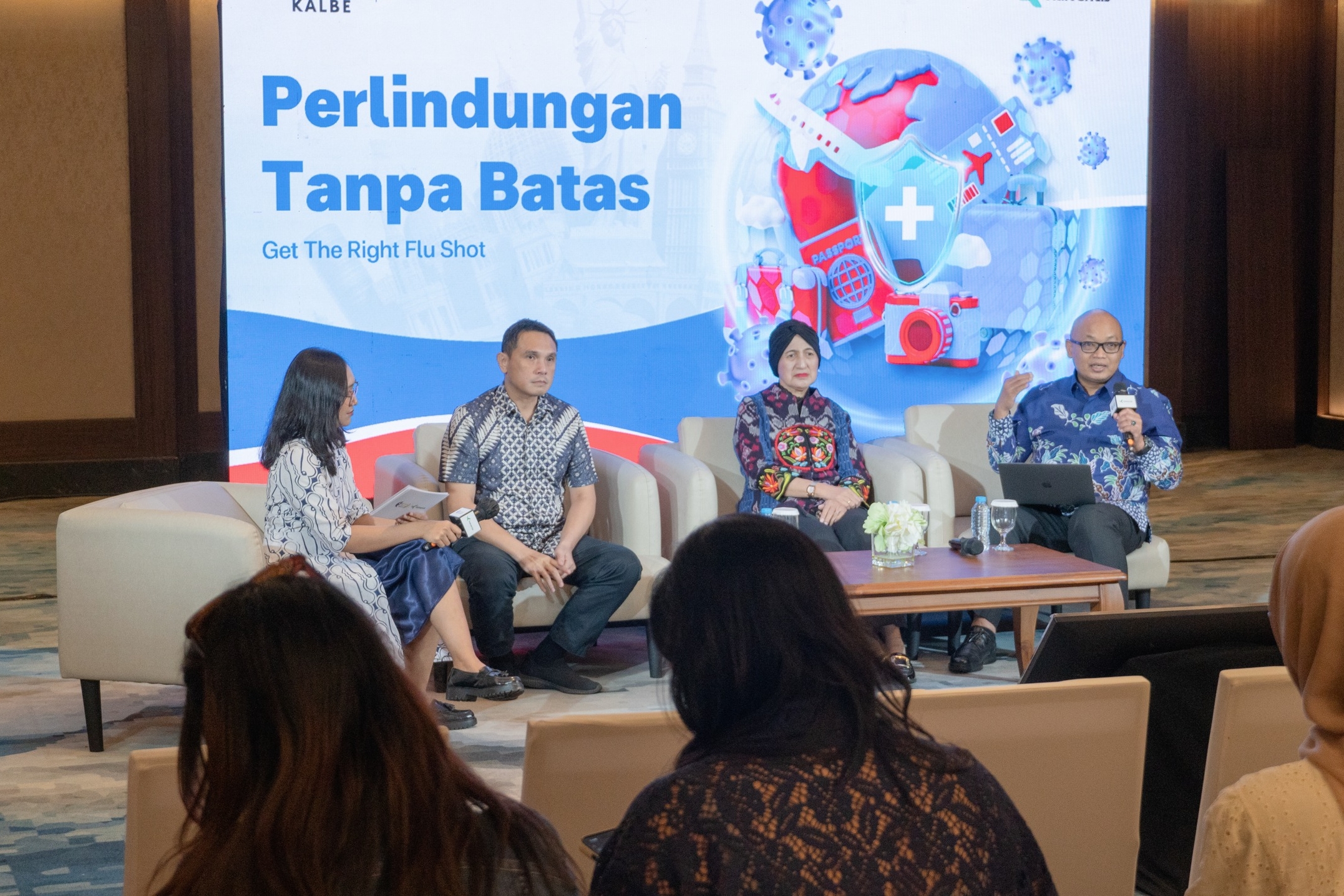
PT Kalbe Farma Tbk, through its subsidiary PT Kalventis Sinergi Farma (Kalventis), introduced a trivalent influenza vaccine as part of its commitment to strengthen national health resilience in Indonesia (04/05).
The vaccine follows recommendations from the World Health Organization (WHO) to provide protection against three influenza strains that are still actively circulating, namely influenza A (H1N1), influenza A (H3N2), and influenza B/Victoria.
These influenza types may cause serious complications, especially among adults, elderly people, and individuals with comorbidities. The complications include pneumonia, heart disease, and other respiratory disorders.
“Kalbe through Kalventis wants to build public awareness that influenza can have serious impacts, especially for adults with underlying diseases and elderly groups. Vaccination is an important protection measure to prevent complications and reduce hospitalization risks,” said President Director of PT Kalventis Sinergi Farma, Vidi Agiorno.
WHO Supports Trivalent Influenza Vaccine Recommendation
WHO stated that influenza remains a significant global health threat, with an estimated 290,000 to 650,000 deaths every year.
However, adult influenza vaccination coverage in Indonesia remains low at around 0.5 per 1,000 population. The figure is lower compared to Singapore with 90 per 1,000 population, Japan with 250 per 1,000 population, and South Korea with 311 per 1,000 population.
Along with developments in influenza epidemiology, WHO also recommended the use of trivalent influenza vaccines (TIV) to provide protection that is more relevant to currently circulating virus strains.
Global health experts, including WHO, have also not detected circulation of the B/Yamagata virus strain since 2020. This development encouraged the adjustment of vaccine composition from quadrivalent influenza vaccine (QIV) to trivalent influenza vaccine (TIV).
Health Experts Warn About Serious Influenza Complications
Chairperson of the Indonesian Allergy and Immunology Association (PERALMUNI), Prof. Dr. dr. Iris Rengganis, Sp.PD-KAI, said influenza should not be considered the same as the common cold.
She explained that common cold patients rarely experience fever and headaches, while influenza patients often experience sudden high fever lasting three to four days along with headaches.
“In adults and elderly groups, influenza can trigger serious complications such as pneumonia, worsening chronic diseases, and even acute cardiovascular events,” Prof. Iris said.
She also stated that annual influenza vaccination remains the main preventive measure to reduce deaths and hospitalizations caused by influenza viruses.
“The transition from quadrivalent to trivalent vaccines is a scientific adjustment to developments in global influenza epidemiology. This is not a reduction in protection, but an optimization based on strains currently circulating,” she added.
Annual Influenza Vaccination Important for High-Risk Groups
Chairperson of the Adult Immunization Task Force of PB PAPDI, Dr. dr. Sukamto, Sp.PD-KAI, said influenza vaccination should be carried out routinely every year because influenza viruses continue to mutate.
He explained that vaccine compositions are updated regularly to maintain optimal protection against circulating virus strains.
“With annual vaccination, protection against currently circulating virus strains can remain optimal. This is especially important for adults with risk factors and elderly groups because vaccination is a valuable long-term health investment,” Dr. Sukamto said.
He also said many people still delay vaccination because they believe influenza is not a serious disease, even though vaccination can help prevent severe complications in high-risk groups.
In addition to annual vaccination, influenza vaccines are also recommended at least two weeks before traveling to high-risk regions, including countries with four seasons.
Kalbe Strengthens Preventive Health Education in Indonesia
Kalbe and Kalventis stated they will continue strengthening their role in supporting preventive health education in Indonesia through collaboration with communities, healthcare workers, and professional health organizations.
The company said the initiative aims to expand public access to accurate and trusted health information while supporting wider vaccination coverage.
“We believe the best health protection starts from awareness and early prevention. Through collaboration with communities, healthcare professionals, and medical organizations, we want to expand public access to accurate and trusted health information,” Vidi said.
PHOTO: KALBE
This article was created with AI assistance.
We make every effort to ensure the accuracy of our content, some information may be incorrect or outdated. Please let us know of any corrections at [email protected]
Read More