





 Friday, 19-06-26








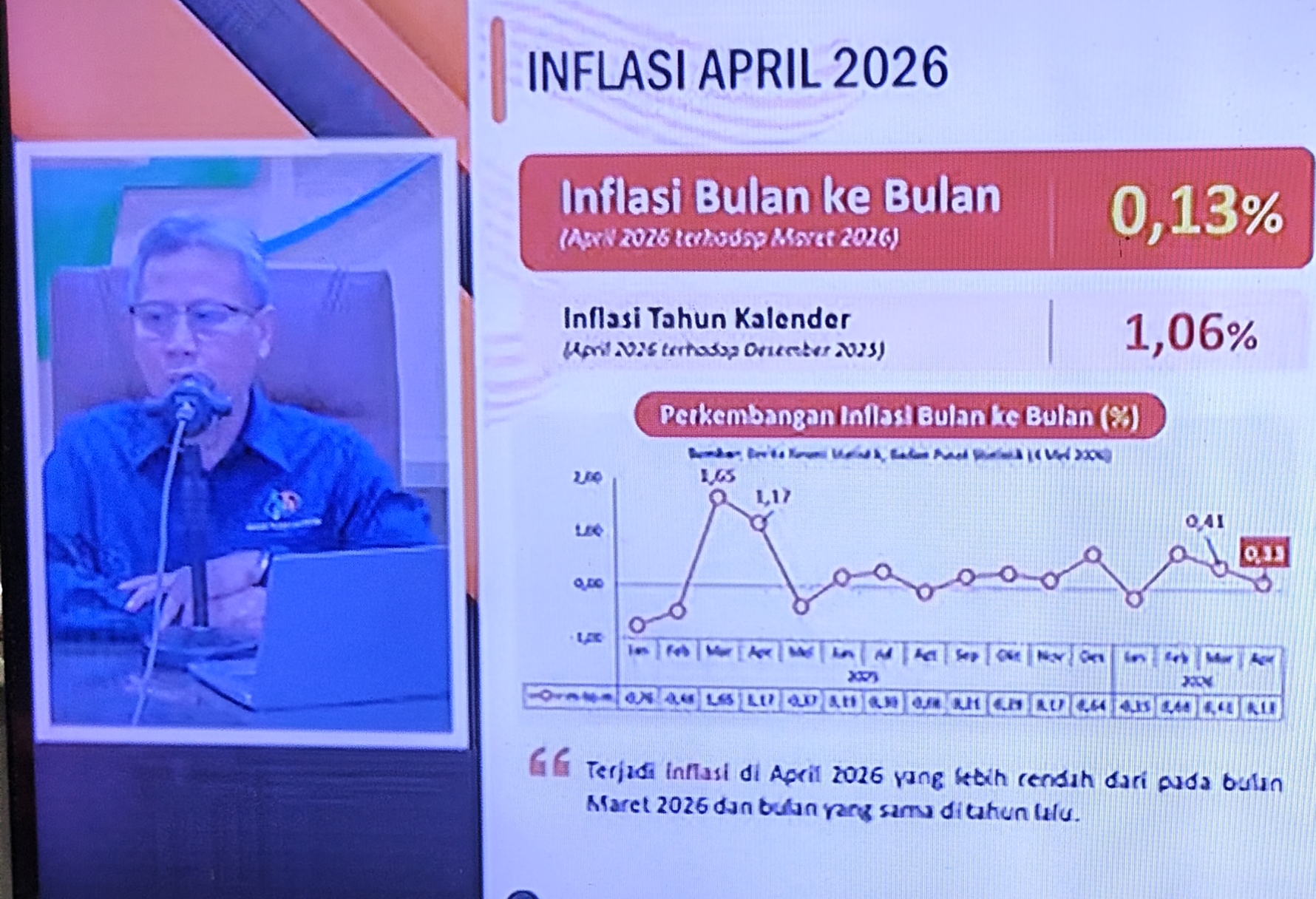
Indonesia inflation April 2026 recorded a modest increase of 0.13 percent on a monthly basis, reflecting a continued but controlled rise in consumer prices. While the figure may appear relatively low compared to historical inflation spikes, the underlying drivers reveal important signals about cost pressures within the economy. One of the main contributors to this increase is the surge in airline ticket prices, which has had a direct impact on transportation costs and overall inflation.
The development highlights how specific sectors, particularly transportation, can influence broader economic indicators. Indonesia inflation April 2026 demonstrates that even targeted price adjustments can ripple through the economy, affecting household spending, business operations, and policy decisions.
Indonesia Inflation April 2026 Driven By Transportation Sector Pressures
The transportation sector played a central role in shaping Indonesia inflation April 2026. Airline ticket prices experienced noticeable increases, largely due to rising operational costs, seasonal demand, and adjustments in pricing strategies by carriers.
Air travel demand tends to fluctuate based on holidays, business cycles, and tourism patterns. In April, increased mobility and travel activities contributed to higher ticket prices, which in turn pushed up the overall inflation rate. This trend underscores the sensitivity of Indonesia inflation April 2026 to changes in transportation costs.
Fuel prices also remain a key factor influencing airline operations. Any increase in aviation fuel costs can lead to higher ticket prices, as airlines pass on these expenses to consumers. Additionally, currency fluctuations can affect operational costs, especially for airlines that rely on imported components or services priced in foreign currencies.
Indonesia inflation April 2026 reflects these combined pressures, showing how interconnected the transportation sector is with the broader economy. Even a modest increase in airfare can have a measurable impact on inflation figures.
Consumer Spending And Inflation Dynamics
Another important aspect of Indonesia inflation April 2026 is its relationship with consumer behavior. Rising prices in specific categories, such as transportation, can influence how households allocate their spending.
When airline ticket prices increase, consumers may adjust their travel plans, reduce discretionary spending, or seek alternative transportation options. These behavioral changes can have secondary effects on other sectors, including hospitality, retail, and tourism.
Indonesia inflation April 2026 also highlights the role of core inflation, which excludes volatile components like food and energy. While the headline inflation figure is influenced by specific price changes, core inflation provides a clearer picture of underlying demand and economic stability.
The relatively moderate increase in Indonesia inflation April 2026 suggests that overall price pressures remain manageable. However, the concentration of inflation in certain sectors indicates that cost pressures are not evenly distributed across the economy.
This uneven distribution can create challenges for policymakers, as targeted measures may be needed to address specific issues without disrupting broader economic stability.
Policy Implications And Central Bank Response
Indonesia inflation April 2026 carries important implications for monetary policy. Bank Indonesia, as the country’s central bank, closely monitors inflation trends to determine appropriate policy actions.
A moderate increase like the one seen in Indonesia inflation April 2026 may not immediately trigger aggressive policy changes. However, persistent increases in specific sectors, such as transportation, could influence future decisions on interest rates and liquidity management.
The central bank’s primary objective is to maintain price stability while supporting economic growth. This requires a careful balance, particularly in an environment where external factors such as global energy prices and exchange rates can impact domestic inflation.
Indonesia inflation April 2026 also reflects the importance of coordination between government policies and market dynamics. Regulatory measures, such as fare adjustments and subsidies, can play a role in stabilizing prices and reducing volatility.
In addition, efforts to improve infrastructure and increase competition in the transportation sector could help mitigate cost pressures over the long term. By addressing structural issues, policymakers can create a more resilient and efficient economy.
Broader Economic Outlook And Future Risks
Looking ahead, Indonesia inflation April 2026 provides insights into potential future trends. While the current increase is relatively modest, several factors could influence inflation in the coming months.
Global economic conditions remain uncertain, with fluctuations in commodity prices and geopolitical developments affecting supply chains and costs. These external factors can have a direct impact on Indonesia inflation April 2026 and subsequent periods.
Domestic factors, such as consumer demand, wage growth, and government spending, will also play a role in shaping inflation dynamics. If demand continues to strengthen, it could lead to higher price pressures across various sectors.
Indonesia inflation April 2026 serves as a reminder that inflation is a complex and multifaceted phenomenon. It is influenced by a combination of domestic and international factors, as well as sector specific developments.
For businesses, understanding these dynamics is essential for planning and decision making. Companies may need to adjust pricing strategies, manage costs, and anticipate changes in consumer behavior.
For consumers, rising prices in certain categories can affect purchasing power and financial planning. Monitoring inflation trends can help households make informed decisions about spending and saving.
A Controlled Increase With Targeted Pressures
Indonesia inflation April 2026 reflects a controlled increase in consumer prices, driven primarily by higher airline ticket costs. While the overall inflation rate remains within a manageable range, the concentration of price pressures in the transportation sector highlights the importance of sector specific analysis.
The rise in airfare underscores how changes in one industry can influence the broader economy. It also emphasizes the need for coordinated policy responses and long term structural improvements.
As Indonesia continues to navigate a dynamic economic environment, Indonesia inflation April 2026 will serve as an important benchmark for assessing future trends. By understanding the factors driving inflation, policymakers, businesses, and consumers can better prepare for the challenges and opportunities ahead.
Read More