





 Tuesday, 22-09-26








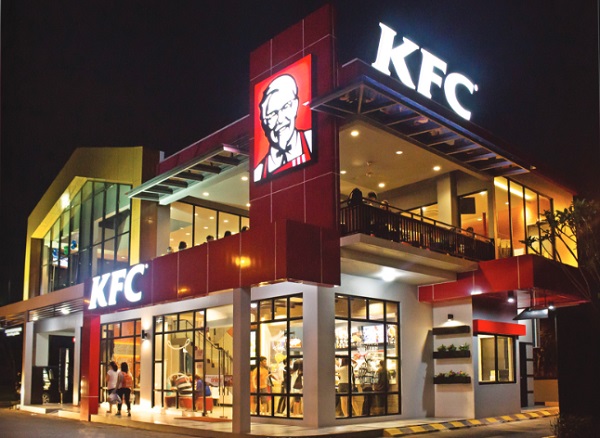
KFC Indonesia is not out of the woods yet, but its latest numbers show a company that is at least moving in the right direction. PT Fast Food Indonesia Tbk, the operator of the KFC brand in Indonesia, reported a narrower net loss in 2025, even as revenue stayed nearly flat and the balance sheet continued to carry heavy pressure. In practical terms, the story is not one of a clean rebound. It is a story of partial recovery, cost discipline, and a business still trying to stabilize itself in a difficult consumer environment.
The latest filings show that the company’s KFC Indonesia net loss improved sharply year on year, with losses coming down to around Rp366 billion to Rp369 billion from roughly Rp797 billion in the prior year. That is a meaningful improvement, but it still leaves the company in the red. At the same time, revenue held at about Rp4.88 trillion, which suggests that the turnaround so far is being driven more by better efficiency and lower costs than by a true acceleration in sales.
A Better Bottom Line, But Still A Loss
The most important takeaway from the 2025 results is simple: KFC Indonesia net loss narrowed, but the company remains loss-making. According to the reports, the group’s net loss fell by about 54 percent from the previous year, which is a substantial improvement on paper. Yet the company still posted a loss of more than Rp366 billion, showing that the recovery is incomplete and fragile.
That improvement matters because restaurant businesses often live or die by margins, not only by sales volume. KFC Indonesia has not yet restored enough pricing power or traffic strength to fully convert revenue into profit, but it has clearly made progress on the cost side. Lower operating and production expenses helped reduce the damage, and that matters in a market where consumers remain sensitive to price.
Still, the company’s situation should not be mistaken for a return to health. A smaller loss is better than a larger one, but a loss is still a loss. The fact that KFC Indonesia net loss remains in the hundreds of billions means management still has to solve a deeper structural challenge, namely how to rebuild traffic, improve menu economics, and keep margins stable while the wider consumer market remains under pressure.
Revenue Stayed Flat While Costs Moved In The Right Direction
Another key detail is that revenue barely moved. The company booked around Rp4.88 trillion in sales in 2025, only slightly above the previous year’s Rp4.87 trillion. That tells investors something important: the improvement in KFC Indonesia net loss did not come from a demand boom. It came from a business that squeezed more efficiency out of roughly the same revenue base.
The revenue composition also shows how the business is still centered on its core food and beverage operations. Most of the income came from food and drink sales, while smaller streams such as consignment commissions and delivery services contributed only a limited amount. In other words, the brand still depends on the strength of dine-in and takeaway demand, which makes consumer sentiment especially important.
On the expense side, there was some visible improvement. Reports noted a decline in cost of sales, which helped lift gross profit, while several operating expense lines also eased. That is one reason KFC Indonesia net loss improved so much year on year. The company did not suddenly become more popular, but it became less inefficient. For a chain under pressure, that is a meaningful step.
Even so, cost improvement alone has limits. A restaurant chain cannot cut its way to long-term health if customer traffic remains soft. The more sustainable path would be a combination of tighter spending, a stronger menu proposition, better location performance, and a clearer response to changing consumer habits. That is why the flat revenue number is almost as important as the narrower loss. It shows that the top line is not yet providing much momentum.
Debt, Liquidity, And Store Closures Remain The Real Pressure Points
The biggest concern in the story is not just the KFC Indonesia net loss, but the strain underneath it. The company’s long-term bank debt rose sharply, with one report putting it at around Rp1.82 trillion, up from roughly Rp353 billion previously. Another report also highlighted that a large share of financing, about 80 percent, came from bank debt. That is a heavy burden for a business still in recovery mode.
At the same time, the company’s liabilities expanded, and auditors reportedly raised concerns about material uncertainty related to going concern conditions because short-term liabilities exceeded current assets by a wide margin. That matters because a business can show improvement in earnings and still remain financially stretched if its liquidity position is weak. In that sense, the headline about a smaller KFC Indonesia net loss only tells part of the story.
The company also continued to rationalize its store network. Reports said KFC Indonesia closed at least 25 outlets during 2025, reducing its total from 715 to 690 locations. That is a clear sign that management is trying to match its footprint to demand conditions. Store closures can help reduce losses, but they can also limit future growth if the brand shrinks too far or loses visibility in key urban markets.
There is a broader strategic angle here as well. The business has been building or supporting expansion through related entities, including efforts tied to an integrated poultry operation. That suggests management is trying to improve supply chain control and reduce long-term cost pressures. In a market as price sensitive as Indonesia, supply chain efficiency can have a direct effect on the next phase of KFC Indonesia net loss reduction.
What KFC Indonesia Needs To Do Next
The market will likely judge the company on whether 2025 was a one-off improvement or the start of a real turnaround. For now, the numbers suggest a business that is stabilizing, but not yet secure. KFC Indonesia net loss has narrowed, revenues have held steady, and expenses have been brought under tighter control. Those are all positive signs. But the debt load is heavier, the store base is smaller, and consumer demand still looks uneven.
The next stage of recovery will probably depend on three things. First, the company needs to protect margins without damaging customer traffic. Second, it must show that store rationalization is improving efficiency rather than simply shrinking the brand. Third, it has to manage debt and liquidity carefully so that short-term pressure does not overwhelm the operating recovery. Those are the practical issues behind the headline number.
For investors, the message is balanced rather than celebratory. The improvement in KFC Indonesia net loss is real, and it should not be dismissed. But the company still has a long way to go before it can claim a durable turnaround. Until revenue starts growing again and the balance sheet becomes less strained, every improvement will still look provisional.
Read More