





 Thursday, 09-07-26








Following the escalation of violence in Lebanon, more than 1 million citizens have been displaced due to Israeli attacks on Beirut and the occupation of southern Lebanon.
Families have sought refuge in makeshift shelters, public parks, and even cars, placing a massive strain on the country’s already fragile infrastructure.
Digital Wallets Replace Traditional Aid Channels
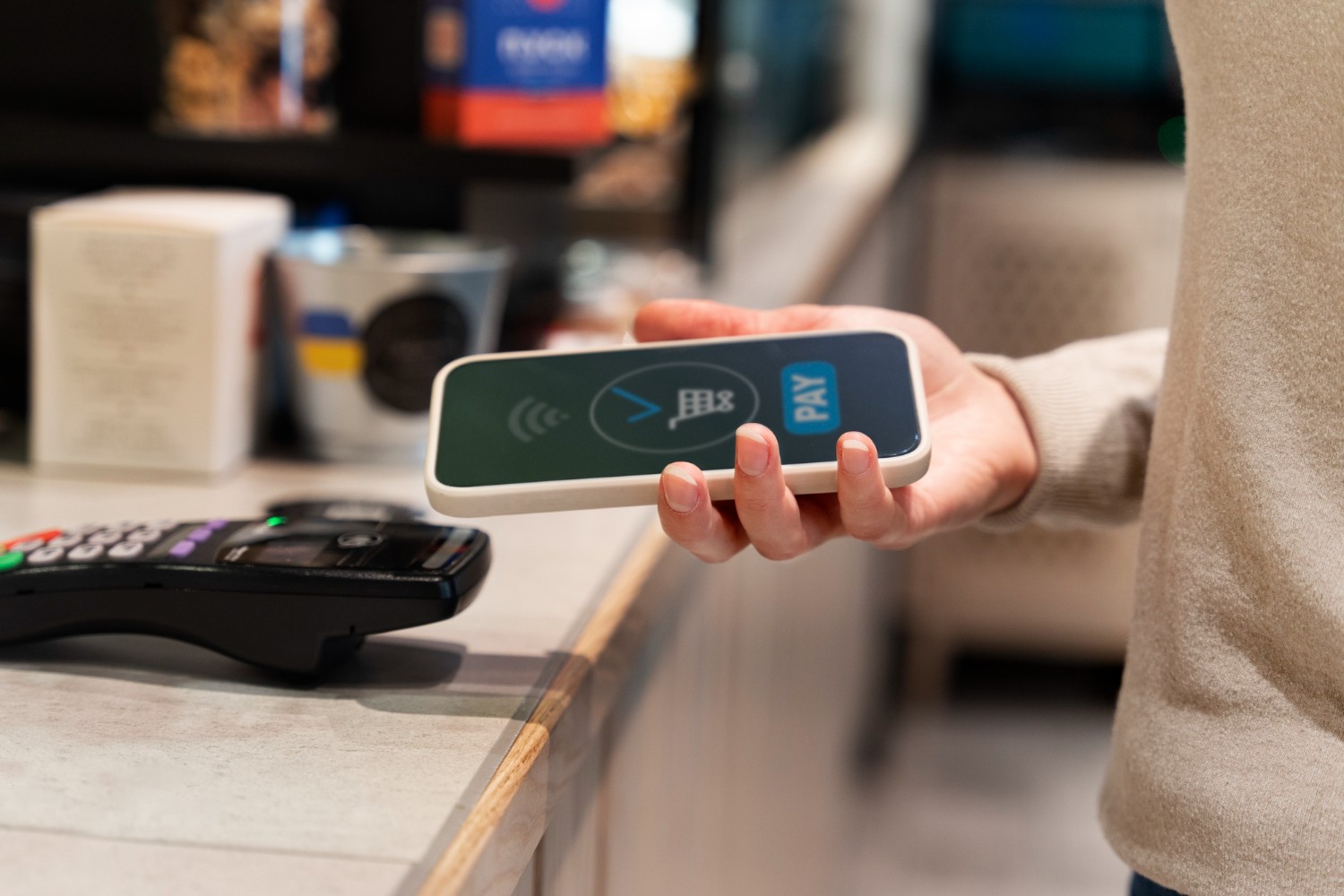
As humanitarian needs surge, a growing number of individuals are turning to digital wallets as a direct way to send financial aid.
Rather than relying on traditional aid organizations or banking systems, funds are now flowing through digital platforms like Whish Money.
These platforms enable donors to send money directly to individuals, who in turn purchase essential goods or distribute cash locally.
From Gift Cards to Financial Infrastructure
Whish Money, initially launched to digitize gift cards, has evolved into a broader financial ecosystem, supporting remittances, peer-to-peer transfers, and payment services.
The company’s co-founder, Toufic Koussa, explains that the platform’s early days focused on disrupting the distribution of gift cards.
Today, it serves over 2 million users across 110 countries, allowing individuals to send funds quickly and securely.
In Lebanon, this shift has become especially crucial due to the collapse of the country’s banking system. With banks freezing deposits and restricting withdrawals, digital wallets have emerged as a vital alternative, enabling users to move and access money outside the traditional system.
Trust in Institutions Declines, Informal Networks Step In
The rise of digital wallet usage also highlights the declining trust in Lebanon’s public institutions. A report by the Economic Research Forum found that trust in government institutions has significantly declined, especially since 2016.
Amid this collapse in trust, grassroots campaigns and social media influencers have become key players in organizing aid.
Individuals are increasingly relying on these informal networks to send and receive funds quickly and effectively.
Koussa notes that platforms like Whish Money play a central role in this process, with peer-to-peer transfers and international remittances being among the most popular services.
While these funds are often sent informally, they are still subject to anti-money laundering regulations to ensure proper vetting and compliance.
The Role of Fintech in Rebuilding Trust
With Lebanon’s banks no longer functioning as reliable financial institutions, fintech platforms like Whish Money are stepping in to fill both practical and emotional voids.
Koussa emphasizes, "Trust is the new currency." As financial systems continue to falter, these digital platforms are reshaping the way people access money, moving away from traditional banking and toward a decentralized, tech-driven approach to aid delivery.
In this new landscape, digital wallets have become a vital lifeline, helping to support families and communities in urgent need. Peer-to-peer transfers are now the preferred method for moving funds into Lebanon, with an increasing number of users turning to these services to support loved ones and local organizations.
PHOTO: FREEPIK
This article was created with AI assistance.
We make every effort to ensure the accuracy of our content, some information may be incorrect or outdated. Please let us know of any corrections at [email protected].
Read More