





 Tuesday, 29-09-26








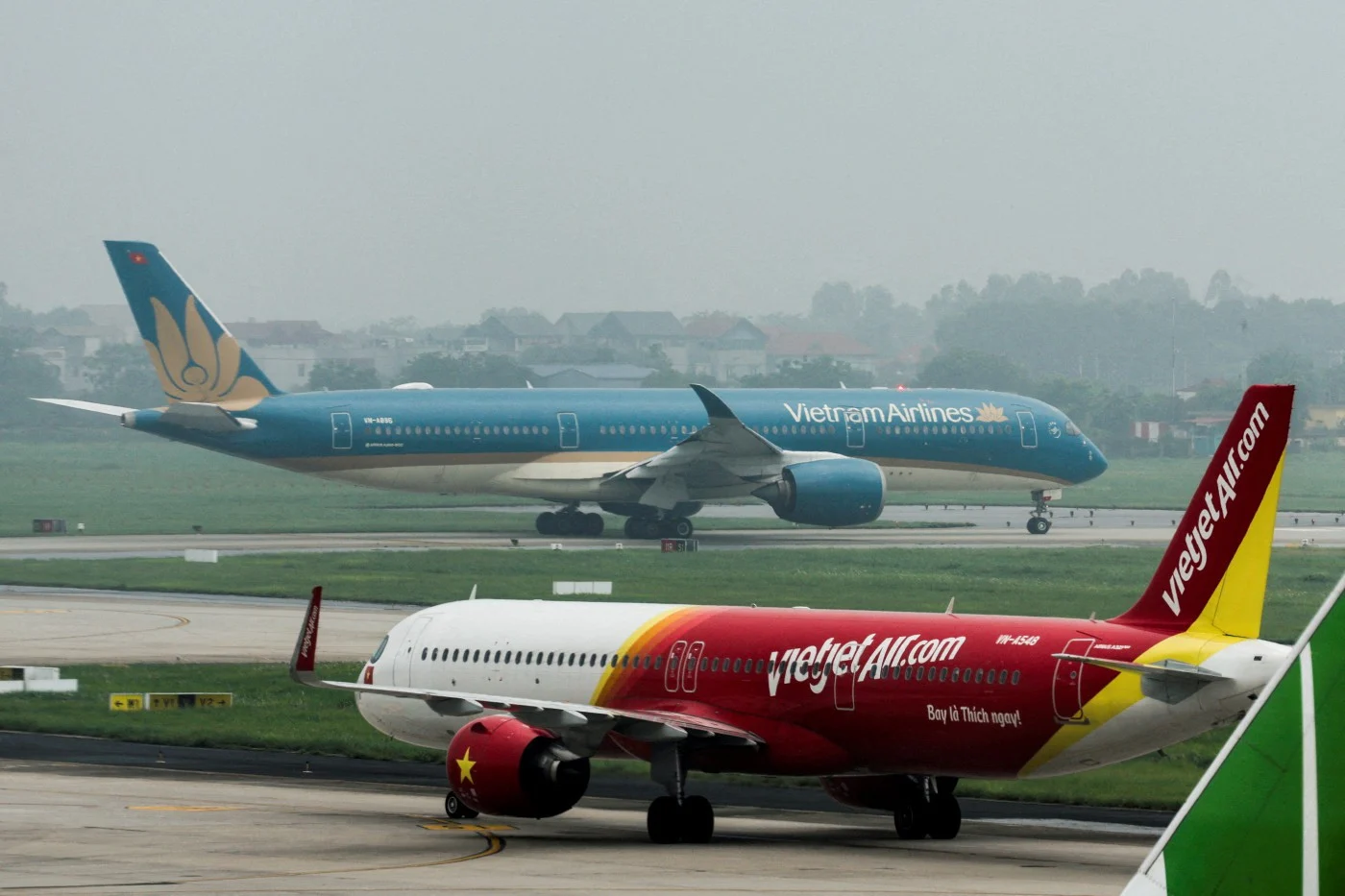
The ongoing Vietnam jet fuel shortage has begun to disrupt the country’s aviation sector, forcing airlines to scale back domestic flight operations. What initially appeared as a supply hiccup has now evolved into a broader challenge with implications for travel demand, economic activity, and energy security.
As Vietnam continues to emerge as one of Southeast Asia’s fastest-growing economies, reliable transportation infrastructure plays a critical role in sustaining momentum. The aviation sector, in particular, is vital for connecting major cities, supporting tourism, and facilitating business activities.
The current situation highlights how vulnerable even fast-growing economies can be when critical supply chains face disruption.
What Caused the Vietnam Jet Fuel Shortage
The Vietnam jet fuel shortage is rooted in a combination of global and domestic factors that have converged to create a supply bottleneck.
Globally, fuel markets have been experiencing volatility due to geopolitical tensions and supply constraints. Disruptions in key oil-producing regions have affected the availability and pricing of refined products, including jet fuel.
Domestically, Vietnam relies significantly on imported fuel to meet its aviation needs. While the country has refining capacity, it is not always sufficient to cover total demand, especially during periods of high travel activity.
The Vietnam jet fuel shortage has been exacerbated by logistical challenges, including delays in shipments and distribution inefficiencies. These issues have limited the ability of suppliers to deliver fuel consistently to airports across the country.
Airlines, faced with uncertainty in fuel availability, have had little choice but to adjust their schedules. Reducing flight frequency helps manage limited resources but comes at a cost to both operators and passengers.
Impact on Airlines and Domestic Travel
The most immediate consequence of the Vietnam jet fuel shortage is the reduction in domestic flights.
Airlines are prioritizing routes based on demand and operational efficiency. High-traffic routes may continue to operate, but less profitable or lower-demand routes are more likely to be affected.
For passengers, this translates into fewer travel options, higher ticket prices, and potential disruptions to travel plans. The Vietnam jet fuel shortage is particularly challenging for regions that rely heavily on air connectivity, where alternatives such as rail or road transport may not be as efficient.
Airlines themselves face financial pressure. Reduced flight operations mean lower revenue, while fuel price volatility increases operating costs. This creates a difficult balancing act as carriers try to maintain profitability while managing limited resources.
The Vietnam jet fuel shortage also affects tourism, a key sector for the country. Fewer flights can limit the number of visitors, impacting hotels, restaurants, and local businesses that depend on tourist spending.
Broader Economic and Supply Chain Implications
Beyond the aviation sector, the Vietnam jet fuel shortage has wider economic implications.
Transportation is a critical enabler of economic activity. When connectivity is disrupted, it can affect supply chains, business operations, and regional development.
The shortage also highlights vulnerabilities in Vietnam’s energy supply chain. Dependence on imported fuel exposes the country to external risks, including price fluctuations and geopolitical tensions.
The Vietnam jet fuel shortage serves as a reminder that energy security is closely linked to economic resilience. Ensuring a stable and reliable supply of fuel is essential for maintaining growth and stability.
In addition, the situation may prompt businesses to reassess their logistics strategies. Companies that rely on air transport may need to explore alternative solutions or adjust their operations to mitigate risks.
Government and Industry Response
Addressing the Vietnam jet fuel shortage requires coordinated action from both the government and industry stakeholders.
Authorities are likely to prioritize securing additional fuel supplies, whether through increased imports or adjustments in domestic production. This may involve negotiations with suppliers and efforts to streamline logistics.
At the same time, airlines are adapting their operations to cope with the situation. This includes optimizing flight schedules, improving fuel efficiency, and exploring partnerships to share resources.
The Vietnam jet fuel shortage could also accelerate policy discussions حول energy diversification. Expanding refining capacity, investing in alternative fuels, and enhancing storage infrastructure are potential long-term solutions.
Collaboration will be key. Ensuring effective communication and coordination بين stakeholders can help mitigate the impact of the shortage and prevent similar issues in the future.
What This Means for Vietnam’s Aviation Future
The Vietnam jet fuel shortage represents a critical moment for the country’s aviation sector.
In the short term, the focus will be on stabilizing operations and minimizing disruptions. However, the longer-term implications are likely to shape the future of the industry.
Airlines may need to rethink their growth strategies, placing greater emphasis on resilience and flexibility. This could include diversifying fuel sources, investing in more efficient aircraft, and improving risk management practices.
For policymakers, the Vietnam jet fuel shortage underscores the importance of integrated planning. Energy policy, transportation infrastructure, and economic development must be aligned to ensure sustainable growth.
The situation may also encourage innovation. Advances in sustainable aviation fuels and alternative energy sources could play a role in reducing dependence on traditional jet fuel.
Ultimately, the Vietnam jet fuel shortage highlights both challenges and opportunities. While the current disruption poses immediate difficulties, it also provides a catalyst for strengthening the sector and building a more resilient system.
Read More