





 Sunday, 04-10-26








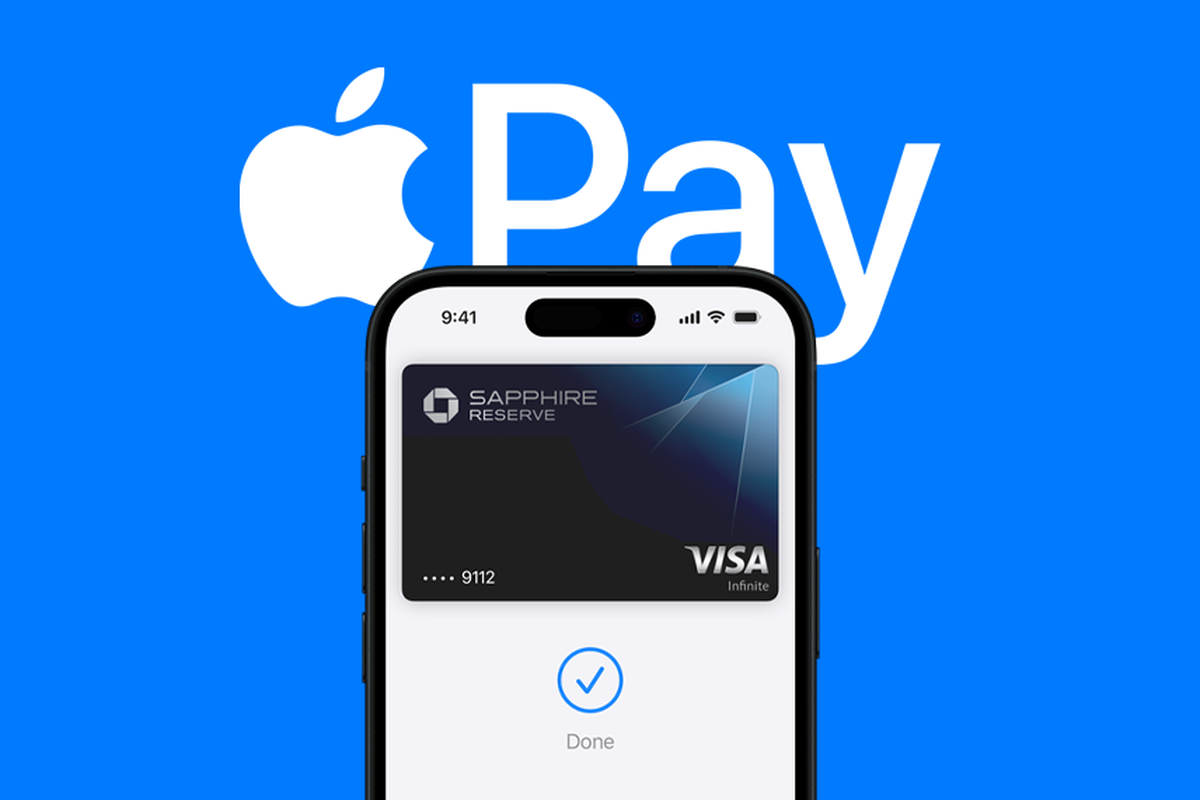
The arrival of Apple Business Indonesia marks a significant milestone in the expansion of Apple Inc. within Southeast Asia’s largest digital economy. As Indonesia continues to strengthen its position as a key growth market for global technology companies, Apple’s move signals a deeper commitment to serving business customers in the region.
However, the launch comes with a notable limitation. Despite the introduction of Apple Business services, the widely anticipated Tap to Pay feature on iPhone is still not available in Indonesia. This gap highlights both the opportunities and challenges Apple faces as it adapts its ecosystem to local market conditions.
The development raises important questions about infrastructure readiness, regulatory alignment, and the pace of digital payment innovation in Indonesia.
What Apple Business Indonesia Brings to the Market
The introduction of Apple Business Indonesia is designed to provide enterprises with a more structured and integrated way to adopt Apple products and services. This includes device procurement, deployment solutions, and enterprise-level support.
For businesses, this offering simplifies the process of managing large fleets of Apple devices. Companies can streamline onboarding, improve security, and ensure consistent user experiences across their organizations.
The presence of Apple Business Indonesia also reflects the growing demand for premium technology solutions among Indonesian enterprises. As digital transformation accelerates across industries, businesses are increasingly investing in reliable hardware and software ecosystems.
Apple’s entry into this segment positions it to compete more directly with other enterprise solution providers. It also allows the company to deepen its relationships with corporate clients, moving beyond consumer-focused offerings.
Despite these advantages, the absence of Tap to Pay remains a key limitation, particularly in a market where digital payments are rapidly evolving.
Why Tap to Pay Is Not Yet Available in Indonesia
One of the most discussed aspects of Apple Business Indonesia is the absence of the Tap to Pay feature. This technology allows businesses to accept contactless payments directly on an iPhone, eliminating the need for additional hardware such as card readers.
Globally, Tap to Pay has been positioned as a game-changing solution for small and medium enterprises. It enables merchants to accept payments quickly and securely, using only their smartphones.
However, implementing this feature in Indonesia involves several complexities.
First, regulatory requirements play a significant role. Payment systems in Indonesia are subject to strict oversight by financial authorities. Companies must comply with local regulations related to data security, transaction processing, and financial licensing.
Second, partnerships with local financial institutions are essential. Tap to Pay relies on integration with payment networks, banks, and fintech platforms. Establishing these partnerships takes time and coordination.
Third, market readiness is a factor. While Indonesia has seen rapid growth in digital payments, the ecosystem is still fragmented. Different platforms and standards coexist, making integration more challenging.
These factors help explain why Tap to Pay has not yet been included in the initial rollout of Apple Business Indonesia.
The Strategic Importance of Indonesia for Apple
Indonesia represents a critical market for Apple’s long-term growth strategy. With a large population, rising middle class, and increasing digital adoption, the country offers significant potential for expansion.
The launch of Apple Business Indonesia indicates that Apple is not only targeting consumers but also aiming to capture enterprise demand. This aligns with broader industry trends, where technology companies are diversifying their revenue streams by serving business customers.
Indonesia’s digital economy is projected to continue growing, driven by e-commerce, fintech, and digital services. In this context, Apple’s ecosystem could play a central role in enabling businesses to operate more efficiently.
However, to fully capitalize on this opportunity, Apple must address local challenges. This includes adapting its products and services to meet regulatory requirements and aligning with local market dynamics.
The absence of Tap to Pay suggests that there is still work to be done before Apple can offer a fully localized experience.
Implications for Digital Payments and Business Ecosystem
The rollout of Apple Business Indonesia without Tap to Pay has broader implications for the digital payments landscape.
Indonesia is one of the fastest-growing markets for cashless transactions. Mobile wallets, QR code payments, and online banking have become increasingly popular among consumers and businesses alike.
In this environment, Tap to Pay could have been a powerful addition. It would enable merchants to accept card payments more easily, complementing existing payment methods.
The delay in its availability creates an opportunity for local fintech companies to strengthen their position. Domestic players have already built extensive networks and tailored their solutions to local needs.
At the same time, the eventual introduction of Tap to Pay could intensify competition. Apple’s entry into the payment acceptance space would bring new capabilities and potentially reshape the market.
For now, the absence of this feature means that Apple Business Indonesia is primarily focused on enterprise solutions rather than payment innovation.
What Comes Next for Apple Business Indonesia
Looking ahead, the future of Apple Business Indonesia will depend on how quickly Apple can expand its offerings and address current limitations.
The introduction of Tap to Pay is likely a matter of timing rather than possibility. As regulatory frameworks evolve and partnerships are established, the feature could eventually be launched in Indonesia.
In the meantime, Apple can continue to build its presence in the enterprise segment. By providing reliable solutions and strong support, the company can establish itself as a trusted partner for businesses.
Another area of potential growth is integration with local ecosystems. Collaborating with Indonesian fintech companies, banks, and service providers could enhance the value of Apple’s offerings.
The success of Apple Business Indonesia will ultimately depend on its ability to adapt to local conditions while leveraging Apple’s global strengths.
This launch represents an important step, but it is only the beginning of a longer journey. As Indonesia’s digital economy continues to evolve, Apple’s role in shaping that future will be closely watched.
Read More