





 Tuesday, 29-09-26








Indonesia is entering a new phase in its transportation strategy as the government signals a strong push toward electrification. The latest statement from Prabowo Subianto highlights an ambitious vision where electric vehicles dominate public use, while gasoline-powered vehicles may gradually become limited to high-income individuals.
This direction, encapsulated in the emerging Indonesia electric vehicle policy, reflects a broader effort to transform the country’s energy consumption, reduce emissions, and position Indonesia as a key player in the global electric vehicle ecosystem.
The idea is bold and potentially controversial. It touches not only on environmental goals but also on economic access, infrastructure readiness, and industrial transformation.
The Vision Behind Indonesia Electric Vehicle Policy
The Indonesia electric vehicle policy is rooted in a long-term strategy to reduce dependence on fossil fuels. Indonesia, as one of the world’s largest consumers of subsidized fuel, faces significant fiscal pressure from maintaining fuel subsidies.
By accelerating the transition to electric vehicles, the government aims to address several structural challenges at once. These include reducing fuel imports, improving air quality, and leveraging Indonesia’s abundant nickel resources for battery production.
The statement suggesting that gasoline vehicles could become associated with wealthier users reflects an attempt to reverse the current paradigm. Today, electric vehicles are often seen as premium products, accessible mainly to higher-income consumers. The policy aims to flip this dynamic, making electric mobility the default option for the broader population.
In this context, the Indonesia electric vehicle policy is not just about technology adoption. It is about redefining accessibility and reshaping how transportation is distributed across different socioeconomic groups.
Economic Implications and Industry Transformation
The implementation of the Indonesia electric vehicle policy will have far-reaching economic implications. It will reshape industries ranging from automotive manufacturing to energy and mining.
Indonesia has already positioned itself as a critical player in the global EV supply chain, particularly through its nickel reserves. Nickel is a key component in lithium-ion batteries, and the country has been actively promoting downstream processing to capture more value domestically.
A strong push for electric vehicles could accelerate investment in battery manufacturing, charging infrastructure, and related technologies. This would create new opportunities for local industries while attracting foreign investment.
At the same time, the transition poses challenges for traditional automotive sectors. Manufacturers that rely heavily on internal combustion engine technology will need to adapt quickly or risk becoming obsolete.
The Indonesia electric vehicle policy also raises questions about employment. While new jobs will be created in EV-related industries, there may be displacement in sectors tied to conventional vehicles. Managing this transition will require careful policy design and workforce reskilling initiatives.
Infrastructure and Adoption Challenges
Despite its ambitious goals, the Indonesia electric vehicle policy faces significant practical challenges.
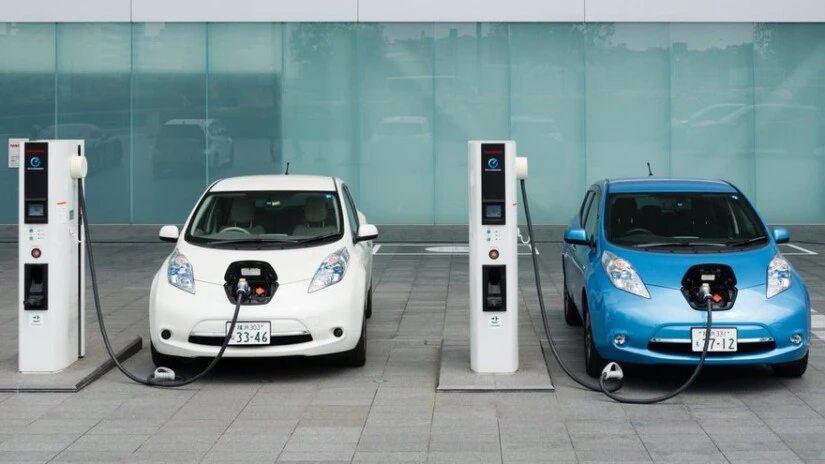
One of the most critical issues is infrastructure. The widespread adoption of electric vehicles depends on the availability of charging stations. In a country as geographically diverse as Indonesia, building a reliable and accessible charging network is a complex task.
Urban areas may see faster deployment, but rural and remote regions could lag behind. This creates a risk of uneven adoption, where the benefits of electrification are not distributed equally.
Another challenge is affordability. While the policy aims to make electric vehicles more accessible, the initial cost remains a barrier for many consumers. Government incentives, subsidies, and financing schemes will play a crucial role in bridging this gap.
Consumer perception is also a factor. Range anxiety, charging time, and concerns about battery lifespan can influence adoption rates. Addressing these concerns will require not only technological improvements but also effective public communication.
The success of the Indonesia electric vehicle policy will depend on how well these challenges are managed.
Social and Political Dimensions of the Policy
The idea that gasoline vehicles could become associated with wealthier individuals introduces a unique social dimension to the Indonesia electric vehicle policy.
On one hand, it can be seen as a progressive move to democratize access to cleaner transportation. By prioritizing electric vehicles for the general population, the policy aims to ensure that the benefits of sustainability are widely shared.
On the other hand, it raises questions about fairness and implementation. Restricting or discouraging gasoline use among certain groups could be politically sensitive. It may require clear communication and gradual implementation to avoid public resistance.
The policy also reflects a broader global trend where governments are taking more assertive roles in shaping the transition to sustainable energy. From Europe to Asia, countries are setting timelines to phase out internal combustion engines.
In this context, the Indonesia electric vehicle policy positions the country as an active participant in the global energy transition.
What This Means for Indonesia’s Future Mobility
The long-term impact of the Indonesia electric vehicle policy will depend on execution. If implemented effectively, it could transform Indonesia into one of the leading EV markets in Southeast Asia.
The shift toward electrification could reduce emissions, improve urban air quality, and decrease reliance on imported fuels. It could also strengthen Indonesia’s position in the global EV supply chain, particularly in battery production.
However, the transition must be inclusive and well-coordinated. Ensuring that infrastructure, affordability, and public awareness keep pace with policy ambitions will be critical.
The Indonesia electric vehicle policy represents more than a shift in transportation. It is a strategic move that intersects with energy policy, industrial development, and social equity.
As the policy evolves, it will be closely watched by investors, industry players, and policymakers around the world. Its success or failure could offer valuable lessons for other countries navigating the complex path toward electrification.
Read More