





 Friday, 19-06-26








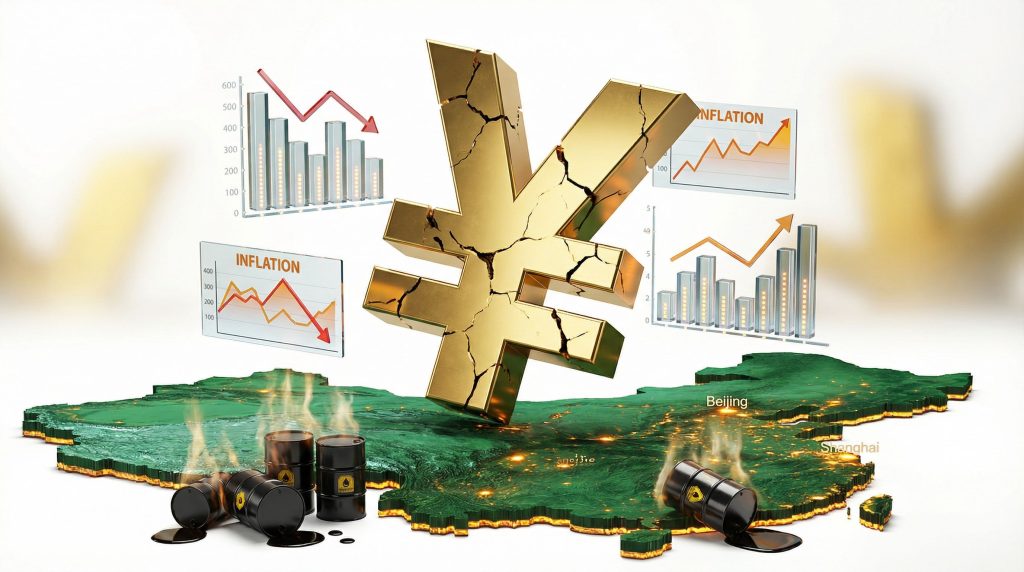
China inflation has climbed to its highest level in three years, signaling renewed price pressure in the world’s second largest economy. The surge was largely driven by seasonal consumption during the Lunar New Year celebrations and rising global oil prices, which pushed up transportation and food costs across the country.
The latest economic data shows that China inflation increased significantly in early 2026, reflecting stronger domestic demand during the holiday season. The Lunar New Year is traditionally one of the most important economic periods in China, as millions of families travel and increase spending on food, gifts, and celebrations.
At the same time, the rise in global energy prices has contributed to higher transportation and production costs. These combined factors have created upward pressure on consumer prices, raising concerns among policymakers about how inflation could affect China’s economic recovery.
Although the increase in China inflation partly reflects temporary seasonal factors, analysts say the trend highlights the delicate balance China faces as it attempts to stimulate growth while maintaining price stability.
The inflation data also carries global implications because China plays a central role in international supply chains. Changes in the country’s inflation rate can influence manufacturing costs, export prices, and commodity demand around the world.
Lunar New Year Spending Drives China Inflation Higher
The Lunar New Year period is one of the most significant consumption seasons in China. Millions of people travel back to their hometowns, and spending on food, transportation, hospitality, and retail typically rises sharply.
This year, the surge in consumption during the holiday season has played a major role in pushing China inflation to a three year high. Food prices in particular saw notable increases, especially pork and fresh produce, which are staples in traditional holiday meals.
Transportation costs also rose due to the massive surge in travel demand during the annual Spring Festival migration. Airlines, trains, and road transportation networks experienced heavy traffic, which translated into higher ticket prices and logistics costs.
Energy prices have further intensified the inflationary pressure. Global oil prices increased significantly in recent months, raising fuel costs for transportation and industrial production. Since China is one of the world’s largest energy consumers, higher oil prices quickly feed into domestic price levels.
As a result, China inflation has risen not only due to consumer demand but also because of supply side cost pressures. Businesses facing higher input costs often pass these increases on to consumers, creating broader inflationary trends.
Economists note that seasonal inflation spikes during the Lunar New Year are common. However, the current increase in China inflation appears stronger than in recent years, suggesting that additional economic factors may be contributing to the price surge.
Oil Prices Add Pressure To China Inflation Outlook
Another major driver behind rising China inflation is the increase in global oil prices. Energy costs are a key component of inflation because they affect transportation, manufacturing, and logistics across the entire economy.
In recent months, oil prices have climbed due to a combination of geopolitical tensions, production adjustments among major oil exporting countries, and stronger global demand. For China, which imports large volumes of crude oil, these price increases directly influence domestic fuel costs.
Higher fuel prices raise the cost of moving goods across the country, which in turn increases retail prices for consumer products. The impact is particularly visible in food distribution, where transportation plays a major role in delivering fresh goods to urban markets.
Industrial sectors are also affected. Factories that rely on energy intensive processes face higher operating costs when oil prices rise. These additional costs can contribute to higher wholesale prices and eventually influence China inflation at the consumer level.
Financial markets are closely monitoring the situation because persistent inflation could influence monetary policy decisions by Chinese authorities. If China inflation continues to rise, policymakers may need to adjust interest rates or implement other measures to stabilize price growth.
However, many analysts believe that part of the current inflation surge is temporary and related to seasonal consumption patterns rather than structural economic changes.
What Rising China Inflation Means For The Global Economy
The implications of rising China inflation extend beyond the country’s domestic economy. As the world’s largest manufacturing hub and a major trading nation, China’s price dynamics can influence global supply chains and commodity markets.
When China inflation increases, production costs for exported goods may rise. This can lead to higher prices for electronics, machinery, and consumer products that are manufactured in China and sold internationally.
Countries that rely heavily on Chinese imports could therefore experience indirect inflationary pressure. This is particularly relevant for developing economies that depend on Chinese industrial products and intermediate goods.
Commodity markets are also affected by China’s inflation trends. Higher domestic prices often reflect stronger demand for raw materials such as energy, metals, and agricultural commodities. As demand rises, global commodity prices may follow.
Investors are also paying close attention to China inflation because it provides insight into the broader health of the Chinese economy. A moderate rise in inflation can indicate stronger consumer demand and economic recovery.
However, if inflation accelerates too quickly, it could force policymakers to tighten monetary policy, potentially slowing economic growth.
For global markets, the balance between economic recovery and inflation control in China will be a critical factor in shaping economic conditions throughout 2026 and beyond.
China’s Policy Response And Economic Outlook
Chinese policymakers are carefully monitoring the rise in China inflation to determine whether it represents a temporary spike or a more persistent trend. Managing inflation while supporting economic growth remains one of the most complex challenges for economic authorities.
The government has previously used a range of tools to control inflation, including adjusting interest rates, managing liquidity in financial markets, and stabilizing key commodity prices. If inflation pressures continue to rise, similar measures could be implemented again.
At the same time, policymakers are aware that the Chinese economy is still navigating a fragile recovery following several years of global economic uncertainty. Aggressive tightening measures could risk slowing economic momentum.
For this reason, many analysts expect the government to adopt a cautious and balanced approach. Authorities may focus on stabilizing energy prices, improving supply chains, and ensuring adequate food supply to reduce inflationary pressure.
Looking ahead, economists believe that China inflation may gradually moderate after the Lunar New Year period as seasonal demand declines. However, global energy markets and domestic consumption patterns will remain key variables influencing price trends.
As the world’s second largest economy continues its post pandemic recovery, the trajectory of China inflation will remain an important indicator for investors, policymakers, and businesses worldwide.
The recent spike serves as a reminder that even as economies recover, inflation risks can quickly reemerge when demand, energy costs, and supply conditions converge.
Read More