





 Monday, 12-10-26








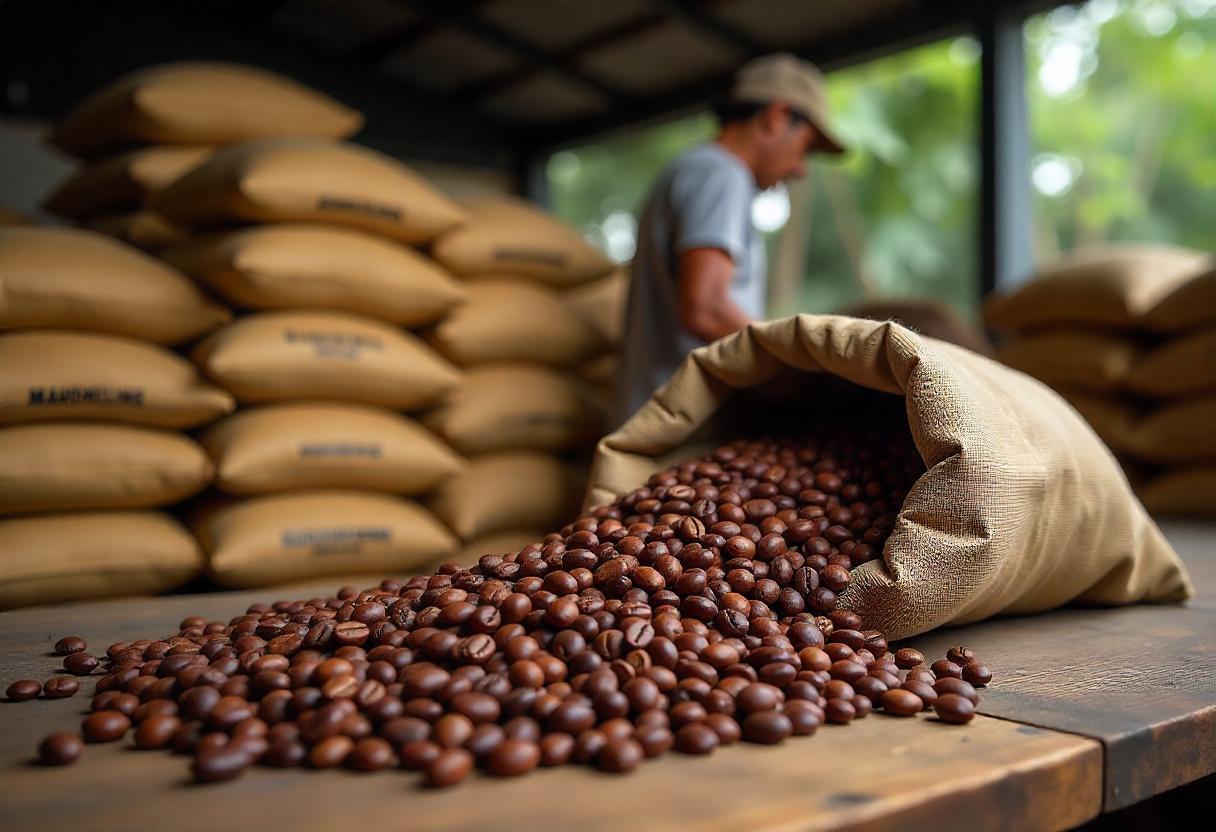
Indonesia’s plantation sector has once again demonstrated its strategic importance to the national economy. The Ministry of Agriculture recently reported that plantation exports reached USD 1.63 billion, highlighting the robust performance of key commodities, including coffee. Behind this achievement lies a broader structural agenda: strengthening the entire value chain from upstream production to downstream processing. At the center of this strategy is Indonesian coffee downstreaming, a policy direction designed to transform Indonesia from a raw commodity exporter into a value added powerhouse.
Coffee remains one of Indonesia’s most iconic agricultural products. As one of the world’s largest coffee producers, Indonesia has long supplied green beans to global markets. However, exporting raw beans captures only a fraction of the potential economic value. Through Indonesian coffee downstreaming, the government aims to increase domestic processing capacity, encourage product diversification, and boost export earnings by shipping higher value products such as roasted beans, instant coffee, and specialty blends.
The USD 1.63 billion export milestone signals strong global demand. Yet policymakers recognize that sustainable growth requires more than favorable prices. It requires structural reform, investment in processing facilities, farmer empowerment, and integration between upstream and downstream actors.
Strengthening Upstream Foundations for Sustainable Growth
Any successful Indonesian coffee downstreaming strategy begins at the farm level. Indonesia’s coffee is cultivated largely by smallholder farmers who manage the majority of plantation areas. Their productivity, quality control practices, and post harvest handling directly determine the competitiveness of the entire industry.
The Ministry of Agriculture has emphasized the importance of strengthening upstream systems, including seed quality improvement, rejuvenation of aging plantations, and adoption of better cultivation techniques. Productivity gaps remain a challenge, particularly when compared with major producers such as Brazil and Vietnam. Addressing these gaps is essential if downstream processing facilities are to operate at optimal capacity.
Replanting programs and access to superior seedlings are crucial steps. Many Indonesian coffee trees are aging, leading to declining yields. By rejuvenating plantations with higher yielding and disease resistant varieties, the government can increase output per hectare while improving bean quality. This upstream strengthening directly supports Indonesian coffee downstreaming because processing industries require consistent, high grade raw materials.
In addition, farmer training programs play a critical role. Quality differentiation in global markets increasingly depends on traceability, sustainability certification, and consistent flavor profiles. Training farmers in proper harvesting techniques, fermentation control, and drying methods enhances the value of Indonesian beans. When these beans are processed domestically into roasted or specialty products, the price premium multiplies.
Infrastructure development is equally important. Efficient logistics reduce post harvest losses and ensure beans reach processing centers quickly. Improved rural roads, storage facilities, and digital traceability systems all contribute to a more resilient supply chain. Without strong upstream foundations, Indonesian coffee downstreaming cannot deliver its full economic impact.
Driving Value Creation Through Downstream Processing
While strengthening farms is critical, the core objective of Indonesian coffee downstreaming lies in expanding domestic processing capacity. Historically, Indonesia exported significant volumes of green coffee beans. Although this strategy generated foreign exchange, it limited value capture within the country.
Downstreaming changes that equation. By processing beans into roasted coffee, ground coffee, ready to drink beverages, and instant products, Indonesia can multiply export value. The price difference between raw beans and finished consumer products can be substantial. This margin supports job creation, industrial development, and technology transfer.
The government’s approach focuses on strengthening the link between upstream producers and downstream industries. Integration ensures stable supply contracts, price transparency, and long term planning. Such coordination reduces volatility and benefits both farmers and processors.
Investment incentives are another key component. Expanding roasting plants, packaging facilities, and research laboratories requires capital. Encouraging private sector participation, including domestic investors and international partners, accelerates the development of a competitive processing ecosystem. In this context, Indonesian coffee downstreaming is not merely an agricultural program but an industrial transformation agenda.
Innovation also plays a central role. Global coffee consumption trends show rising demand for specialty coffee, single origin products, and sustainably sourced beans. Indonesian producers can leverage unique regional identities such as Sumatra, Java, and Sulawesi to differentiate their offerings. When these distinctive beans are processed domestically, branding and storytelling enhance their international appeal.
Digital marketing and e commerce platforms further support downstream expansion. Indonesian brands can reach consumers directly in overseas markets, reducing reliance on intermediaries. This shift increases profit margins and builds global brand recognition. Ultimately, Indonesian coffee downstreaming strengthens Indonesia’s position not only as a producer but as a recognized origin and brand owner.
Export Performance and Global Competitiveness
The reported USD 1.63 billion in plantation exports demonstrates strong external demand. Coffee contributes significantly to this performance. However, sustaining export growth requires strategic positioning in a highly competitive global market.
Major coffee exporting nations continue to invest heavily in mechanization, research, and branding. To remain competitive, Indonesia must differentiate itself through quality, sustainability, and value added processing. Indonesian coffee downstreaming provides a framework for achieving this differentiation.
By increasing the share of processed coffee in total exports, Indonesia can reduce vulnerability to raw commodity price fluctuations. Processed products tend to offer more stable margins and stronger brand loyalty. This stability benefits exporters and enhances foreign exchange earnings.
Furthermore, global consumers are increasingly conscious of environmental and social standards. Sustainable farming practices, fair trade certification, and transparent supply chains are becoming prerequisites for market access in Europe and North America. Integrating sustainability into Indonesian coffee downstreaming strengthens competitiveness and aligns with global market expectations.
Trade diversification is another strategic priority. Expanding into emerging markets in Asia and the Middle East reduces dependency on traditional buyers. Processed coffee products often have greater appeal in these markets, particularly instant and ready to drink formats. Downstreaming therefore supports both product diversification and geographic diversification.
The multiplier effect of downstreaming extends beyond exports. Domestic consumption of coffee in Indonesia is rising steadily, driven by urbanization and a vibrant café culture. A stronger processing industry can serve both export and domestic markets, creating economies of scale and fostering innovation.
Empowering Farmers and Building Inclusive Growth
One of the most important dimensions of Indonesian coffee downstreaming is its potential to improve farmer welfare. When more value is added domestically, a larger share of profits can circulate within rural communities.
Contract farming arrangements and cooperative models help smallholders integrate into modern supply chains. Access to financing, technical assistance, and guaranteed purchase agreements reduces uncertainty. As processing industries expand, demand for higher quality beans increases, encouraging farmers to upgrade their practices.
Income stability is essential for rural development. Volatile global prices often expose smallholders to financial risk. By strengthening domestic processing and branding, Indonesia can reduce reliance on bulk commodity markets and provide more stable pricing mechanisms.
Human capital development also benefits. Expanding the coffee processing sector creates employment opportunities in roasting, packaging, logistics, quality control, marketing, and export management. These jobs often require technical skills, encouraging workforce upskilling and vocational training.
In the long term, Indonesian coffee downstreaming contributes to regional economic development. Coffee producing regions can evolve into integrated agro industrial hubs. This transformation stimulates local economies, improves infrastructure, and enhances access to public services.
Policy Continuity and Long Term Vision
Sustaining momentum requires consistent policy implementation. Downstreaming initiatives must be supported by clear regulatory frameworks, investment certainty, and coordination across ministries. Collaboration between agricultural authorities, trade officials, and industry stakeholders is essential.
Research and development should remain a priority. Developing new coffee varieties, improving post harvest technology, and enhancing processing efficiency all strengthen competitiveness. Public private partnerships can accelerate innovation and ensure that research outcomes reach farmers and processors effectively.
The USD 1.63 billion export figure represents more than a short term achievement. It signals the potential of Indonesia’s plantation sector when supported by coherent strategy. Through Indonesian coffee downstreaming, the country is positioning itself for long term transformation, moving beyond commodity dependence toward higher value creation.
In an increasingly competitive global coffee market, standing still is not an option. By reinforcing upstream production, expanding downstream processing, empowering farmers, and strengthening export competitiveness, Indonesia is building a more resilient and profitable coffee ecosystem. If executed consistently, Indonesian coffee downstreaming can redefine Indonesia’s role in the global coffee industry and ensure that future export milestones are not only larger in value but also deeper in impact.
Read More