





 Monday, 25-05-26








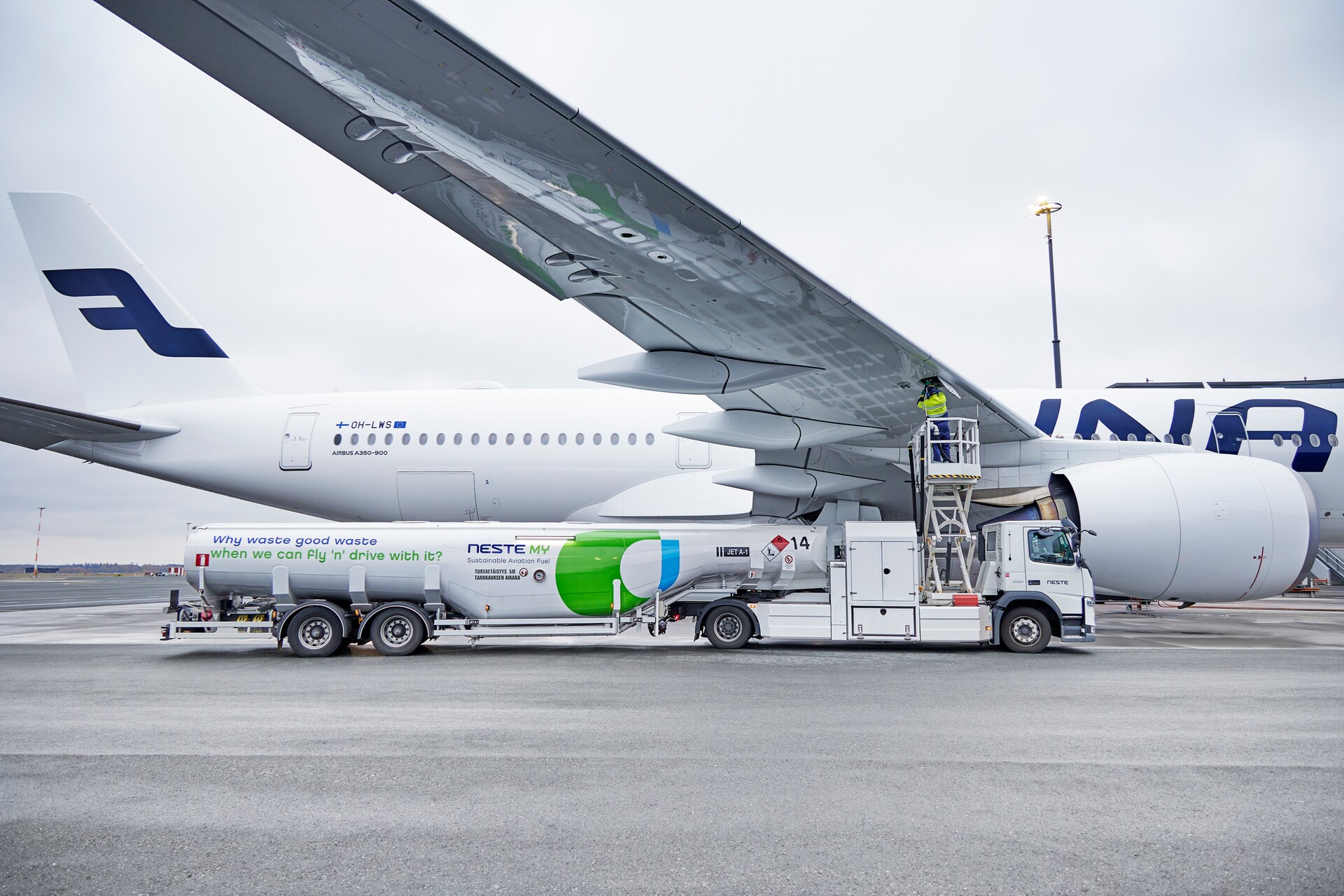
Indonesia’s aviation sector is facing a sharper cost environment after state energy company Pertamina raised avtur prices on April 1, 2026. The increase pushed domestic avtur to Rp23,551 per liter from Rp13,656 in March, a jump of 72.45 percent, while international avtur also climbed sharply from 0.742 U.S. dollars per liter to 1.338 dollars per liter, or 80.32 percent. Energy Minister Bahlil Lahadalia said the new level is still more competitive than prices in neighboring countries, framing the move as a market response rather than an outlier.
That statement matters because jet fuel prices are not just a technical energy issue. They sit at the center of airline economics, route planning, ticket pricing, and even national competitiveness. IATA says fuel is typically one of the largest, if not the largest, components of an airline’s operating cost, and it tracks jet fuel prices weekly for that reason. When fuel changes quickly, airlines feel the shock almost immediately.
Why Jet Fuel Prices Rose So Fast
The most immediate answer is the global energy market. Bahlil linked the increase to market dynamics, saying avtur pricing follows the prevailing market mechanism because it reflects global conditions and serves international flights as well as domestic ones. Warta Ekonomi also noted that the adjustment came during a period of global energy volatility influenced by geopolitical tensions.
That is consistent with how aviation fuel markets usually behave. Jet fuel prices often move with crude oil and refined product markets, and airlines have limited ability to absorb sudden jumps without passing some of the cost along. IATA’s fuel monitor exists precisely because these shifts can move quickly and materially affect operating budgets. In practice, a spike in jet fuel prices can be felt at the airport, in the balance sheet, and eventually in the price a traveler pays.
Indonesia’s case is especially sensitive because avtur is sold at a domestic level but still tied to global pricing signals. That means the local market can remain exposed to international shocks even when the policy discussion is framed as domestic energy management. The article’s comparison between the Indonesian price and the international avtur price shows that the increase is not happening in isolation. It is part of a broader rise in fuel markets.
Why the Government Still Says Indonesia Is Competitive
Bahlil’s core argument is not that prices are low. It is that, even after the increase, Indonesia remains relatively attractive versus neighboring markets. He said the domestic price is still “far more competitive” than avtur in other countries in the region. That is an important distinction, because in the airline business, competitiveness is relative. Airlines do not only compare one airport to another inside Indonesia. They also compare Indonesia against transit hubs and alternative routes across Asia.
This is where the policy debate becomes more nuanced. A sharp increase can be painful, but a price that remains below or comparable to regional peers may preserve the country’s attractiveness as a refueling point and as a destination for carriers. That matters for both cargo and passenger aviation. If Indonesia’s pricing is still aligned with the regional market, airlines may be less likely to reroute or reduce operations solely because of avtur costs. That is the government’s implied logic, and it is grounded in the article’s claim that the new tariff is still more competitive than neighboring countries.
There is also a strategic dimension. When a country prices jet fuel prices too far above market norms, it risks weakening airport traffic, hurting airline margins, and indirectly affecting tourism and trade. If the price is too low for too long, it can strain suppliers and distort the market. Indonesia appears to be trying to stay in the middle, where avtur remains commercially viable without eroding competitiveness. That is an inference from Bahlil’s comments and the market-based framing reported in the article.
What Higher Jet Fuel Prices Mean for Airlines
For airlines, jet fuel prices are among the fastest ways for costs to rise. IATA notes that fuel is typically one of the biggest cost items for carriers, which means even a short-term spike can quickly squeeze margins. Airlines can hedge, adjust capacity, or redesign routes, but none of those steps happens overnight. In a market with thin margins, that lag is dangerous.
Indonesia’s domestic carriers will likely face a familiar challenge. If fuel costs rise but demand stays steady, airlines may try to preserve pricing power by protecting key routes first. They may also reduce frequency on weaker routes, trim promotional fares, or look for higher ancillary revenue. These are standard responses in a fuel-sensitive industry, and the reason they matter is simple. Jet fuel prices shape the economics of every seat sold.
The article also indicates that the government does not view the current increase as a sign of distortion, but rather as part of a broader market correction. That may reassure some airline operators who prefer transparent pricing over administrative caps that fall out of step with global conditions. Still, “competitive” does not mean “comfortable.” A 72.45 percent jump in domestic avtur is still a large change for airlines that manage fuel as one of their largest expenses.
For international operators, the comparison is just as important. If jet fuel prices in Indonesia stay in line with nearby hubs, airlines can continue to use the country without feeling that refueling there is a penalty. That supports route continuity, especially for carriers operating into and out of Southeast Asia. The article’s emphasis on regional competitiveness suggests that this is exactly the balance the government wants to preserve.
What It Could Mean for Ticket Prices and Travelers
Passengers usually experience fuel shocks after airlines do. When jet fuel prices climb, airlines often respond through a mix of fare adjustments, reduced discounts, or changes in baggage and ancillary fees. IATA’s data confirms that fuel costs are a central pressure point for airline economics, which is why carriers watch every move in the fuel market so closely.
That does not automatically mean every ticket will become more expensive tomorrow. Airlines may choose to absorb part of the cost temporarily, especially on highly competitive routes. But over time, persistent fuel inflation usually works its way into fares. The most exposed routes are those with limited competition, lower load factors, or thin margins. In those cases, jet fuel prices can affect both the affordability of travel and the frequency of service.
For consumers, the broader message is straightforward. When avtur rises sharply, the aviation system becomes more expensive to run, and that cost has to go somewhere. Sometimes it is reflected in the ticket price. Sometimes it shows up in fewer promotions, tighter baggage policies, or reduced route choices. The article’s warning that the government wants to avoid harming the competitiveness of domestic aviation is therefore not just industry language. It is also a signal that policymakers are aware of the consumer impact.
The Bigger Picture for Indonesia’s Aviation Sector
Indonesia is trying to balance two realities at once. On one side, jet fuel prices are being pushed higher by global market forces. On the other, the country wants to preserve the attractiveness of its aviation sector. Bahlil’s comments suggest the government believes both can be true at the same time, provided Indonesia remains cheaper or at least more competitive than nearby countries.
That approach is pragmatic. It accepts that energy markets are volatile and that aviation fuel cannot be insulated forever from global pricing. It also acknowledges that airlines need a degree of predictability to plan routes, manage fleets, and sell tickets. If the market price is transparent and still regionally competitive, the aviation ecosystem may be able to absorb the increase without a severe structural shock. That is the likely policy logic behind the government’s response.
The real test will come in the weeks ahead. If jet fuel prices stay elevated, airlines will have to decide how much of the pressure they can absorb and how much they pass on. If the market stabilizes, the current spike may be remembered as a temporary shock rather than a long-lasting shift. Either way, the article makes one thing clear. In aviation, fuel is never just fuel. It is the price signal that tells the whole industry how much room it has to breathe.
Read More