





 Monday, 29-06-26








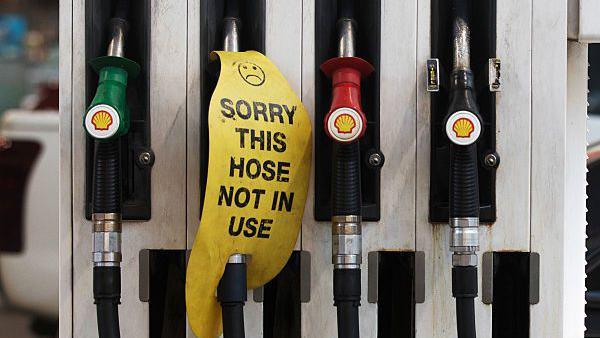
Australia’s energy security framework is facing renewed scrutiny as recent data highlights how unprepared the country was for a major fuel disruption. The issue, now widely discussed under the theme of Australia fuel crisis preparedness, reveals structural weaknesses in fuel reserves, supply chains, and long-term policy planning.
Despite being a developed economy with vast natural resources, Australia has become increasingly dependent on imported refined fuel. This reliance has created a fragile system that is highly exposed to global shocks, geopolitical tensions, and logistical disruptions.
The findings suggest that the country’s fuel security strategy has not kept pace with evolving risks, raising concerns about its ability to respond effectively to future crises.
Structural Weaknesses in Australia Fuel Crisis Preparedness
At the core of the Australia fuel crisis preparedness issue is the country’s limited fuel reserve capacity.
Unlike many other developed nations, Australia does not maintain large domestic reserves of refined fuel. Instead, it relies heavily on just-in-time imports to meet demand. While this approach may be cost-efficient under stable conditions, it leaves little room for error during disruptions.
International benchmarks, such as those set by the International Energy Agency, recommend that countries maintain at least 90 days of fuel reserves. Australia has historically struggled to meet this standard, often falling short of the recommended threshold.
This shortfall reflects a broader policy gap. Over the years, Australia has reduced its domestic refining capacity, leading to increased dependence on overseas refineries. As a result, the country has less control over its fuel supply chain.
The Australia fuel crisis preparedness challenge is therefore not just about storage but also about production capability. Without sufficient domestic refining infrastructure, the country remains vulnerable to external shocks.
Import Dependence and Supply Chain Risks
A key factor driving concerns around Australia fuel crisis preparedness is the country’s reliance on imported fuel.
Most of Australia’s refined fuel is sourced from Asia, particularly from countries with large-scale refining operations. While this arrangement supports efficiency and cost savings, it introduces significant risks.
Supply chains can be disrupted by a range of factors, including geopolitical tensions, natural disasters, and shipping constraints. Events such as conflicts in key regions or blockages in major shipping routes can have immediate consequences.
The Australia fuel crisis preparedness issue became more evident as global energy markets experienced volatility. Sudden price spikes and supply disruptions exposed the limitations of relying on external sources.
Another concern is the concentration of supply routes. Much of Australia’s fuel imports pass through strategic chokepoints, which are vulnerable to disruption. This adds another layer of risk to an already fragile system.
The combination of high import dependence and limited reserves creates a scenario where even minor disruptions can escalate into significant crises.
Economic and National Security Implications
The implications of weak Australia fuel crisis preparedness extend beyond energy policy.
Fuel is a critical input for nearly every sector of the economy. Transportation, agriculture, mining, and manufacturing all depend heavily on reliable fuel supplies. Any disruption can have cascading effects across these industries.
Rising fuel costs can increase the price of goods and services, contributing to inflation. This affects both businesses and consumers, potentially slowing economic growth.
From a national security perspective, the issue is even more significant. Fuel is essential for defense operations, emergency services, and critical infrastructure. A shortage could compromise the country’s ability to respond to crises.
The Australia fuel crisis preparedness debate has therefore become a matter of strategic importance. It highlights the need for a more resilient system that can withstand external shocks.
Governments must balance economic efficiency with security considerations, ensuring that cost-saving measures do not undermine long-term stability.
Policy Gaps and Missed Opportunities
The current state of Australia fuel crisis preparedness reflects a series of policy decisions over time.
One of the key issues is the gradual decline in domestic refining capacity. As global markets became more integrated, Australia shifted toward importing refined fuel rather than producing it locally. While this reduced costs, it also increased vulnerability.
Another gap is the lack of investment in strategic reserves. Building and maintaining large fuel reserves requires significant resources, but it provides a critical safety net during emergencies.
The Australia fuel crisis preparedness challenge also involves coordination between government and industry. Effective energy security requires collaboration across multiple stakeholders, including private companies, regulators, and international partners.
In some cases, delayed action or lack of urgency has contributed to the current situation. As risks continue to evolve, proactive measures become increasingly important.
What Needs to Change for Better Preparedness
Improving Australia fuel crisis preparedness will require a comprehensive and coordinated approach.
One priority is increasing fuel reserves. This could involve expanding domestic storage capacity or securing agreements for overseas reserves. Ensuring compliance with international standards would enhance resilience.
Diversifying supply sources is another critical step. Reducing reliance on a limited number of suppliers can help mitigate risks associated with geopolitical and logistical disruptions.
Reinvesting in domestic refining capacity could also play a role. While it may not be feasible to fully restore previous levels, targeted investments could improve self-sufficiency.
The Australia fuel crisis preparedness strategy should also incorporate technological innovation. Advances in energy storage, alternative fuels, and digital supply chain management can enhance resilience.
In addition, transitioning toward renewable energy can reduce dependence on imported fossil fuels. While this is a long-term solution, it aligns with broader global trends and sustainability goals.
Finally, stronger policy frameworks and governance mechanisms are essential. Clear guidelines, regular assessments, and accountability can ensure that preparedness remains a priority.
The Future of Australia’s Energy Security
The Australia fuel crisis preparedness issue serves as a critical turning point for the country’s energy strategy.
As global energy markets become more complex and unpredictable, resilience will be just as important as efficiency. Countries that can adapt to changing conditions will be better positioned to manage risks.
For Australia, this means rethinking its approach to fuel security. The current model, heavily reliant on imports and limited reserves, may no longer be sufficient.
The lessons from this crisis could drive meaningful change. By addressing structural weaknesses and investing in long-term solutions, Australia can build a more robust and secure energy system.
The Australia fuel crisis preparedness debate is not just about past shortcomings. It is about shaping a future where energy security is integrated into every aspect of policy and planning.
Read More