





 Saturday, 13-06-26








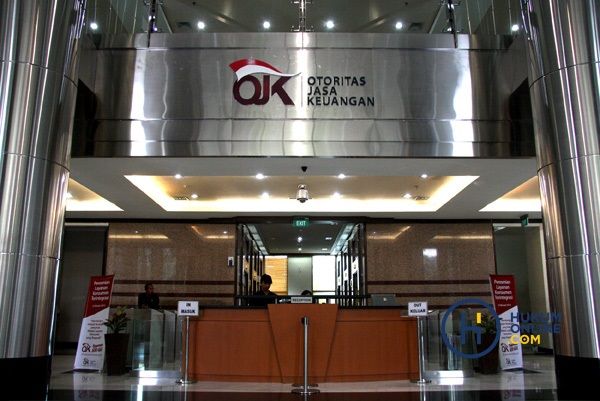
The Indonesian financial regulator OJK zero down payment vehicle financing policy represents a meaningful regulatory shift designed to stimulate the automotive financing market while attempting to safeguard credit quality and financial stability. The regulation — encapsulated in Peraturan OJK (POJK) Nomor 35 Tahun 2025 — allows non-bank multifinance companies to offer vehicle credit with zero down payment under specific conditions tied to asset quality and risk metrics. This policy has drawn attention from consumers, financiers, and industry analysts, as it carries implications for consumer access to credit, multifinance business strategies, and the broader stability of Indonesia’s lending market.
In an economic environment where consumer demand for vehicles has faced headwinds and financing growth remains modest, OJK’s approach reflects a broader pattern of regulatory deregulatory efforts aimed at balancing credit expansion with prudence. However, concerns about elevated credit risk, consumer protection, and the sustainability of relaxed financing terms persist among market watchers.
Zero Down Payment Framework and Market Rationale
The heart of the OJK zero down payment vehicle financing policy is the relaxation of minimum down payment requirements, allowing certain multifinance firms to provide vehicle loans without requiring any initial cash down payment from the borrower. Previously, most lenders required a minimum down payment — typically ranging from 10 percent or more of the vehicle’s price — to manage credit risk and align borrower incentives.
Under the new regulatory framework (POJK 35/2025), multifinance companies can offer zero down payment financing if they demonstrate robust financial metrics — particularly a low level of non-performing financing (NPF), which measures the share of loans that are not being repaid on schedule. Firms with strong NPF profiles are incentivized with greater flexibility in pricing and loan features, including allowing customers to secure vehicle credit without an initial down payment.
Regulators have pointed to several policy rationales behind this shift:
- Stimulating credit demand: Relaxed down payment requirements can make vehicle financing more accessible, particularly for first-time buyers and price-sensitive consumers, potentially invigorating sales in an automotive market that has experienced softness.
- Supporting multifinance growth: By lowering barriers for customers, multifinance firms may expand their loan portfolios, aiding industry growth after periods of subdued demand.
- Aligning industry competition: Deregulation can encourage innovation in loan products and competitive pricing, which may benefit consumers through greater choice and cost efficiency.
This shift is part of a broader deregulatory agenda by OJK to modernize financing rules, harmonize industry oversight, and expand access to credit while still anchoring risk frameworks to core prudential requirements.
Eligibility Criteria and Risk Controls
Although allowing zero down payment financing may be attractive to potential vehicle buyers, OJK has imposed conditions meant to prevent indiscriminate credit expansion and unmanaged risk. A primary eligibility criterion revolves around the non-performing financing (NPF) ratio, which assesses the quality of a lender’s loan book. Multifinance companies that maintain a consistently low NPF are more likely to qualify for zero down payment permission, reflecting disciplined underwriting and strong portfolio performance.
The new policy also includes proportional down payment requirements for firms with higher NPF ratios: those with NPF beyond set thresholds may still offer credit, but at higher minimum down payment levels. This tiered approach aims to balance the goal of expanding access with the need to mitigate potential spikes in bad loans.
Importantly, OJK has emphasized that the zero down payment provision is not automatic. Lenders must also comply with other risk management standards, including capital adequacy, governance practices, and credit assessment procedures. Regulators have stressed the importance of embedding strong risk controls within firms that adopt zero down payment financing, ensuring that loan portfolios remain healthy and sustainable.
Implications for Consumers and the Automotive Market
From a consumer perspective, the OJK zero down payment vehicle financing rule potentially lowers the entry barrier for vehicle ownership, particularly for young buyers and lower-income households. Without the upfront cash requirement, more households may be able to afford vehicles, translating into increased sales for dealers and more lending opportunities for multifinance firms. This could also support broader economic activity linked to transportation, logistics, and consumer spending.
However, the consumer benefits are not without caveats:
- Higher monthly payments: Zero down payment loans often translate into larger monthly repayments because the full value of the vehicle must be financed over the loan term. Borrowers need to ensure affordability over time.
- Interest and cost considerations: Even with no initial payment, total loan costs — including interest and fees — may be higher than traditional financing options. Consumers must understand the full cost and their capacity to consistently repay.
- Risk of overextension: Easier access to credit could encourage some buyers to take on more debt than their financial situation comfortably supports, raising default risk. This is particularly relevant if macroeconomic conditions deteriorate.
Moreover, for the automotive market, zero down payment financing has the potential to stimulate demand for both new and used vehicles, potentially drawing buyers who were previously sidelined due to upfront cost constraints. If effectively marketed and prudently underwritten, this policy might revitalize sectors of the automotive supply chain. Nevertheless, the long-term effects hinge on sustained consumer confidence and responsible lending practices by multifinance firms.
Multifinance Industry Perspectives
For multifinance companies, the OJK zero down payment vehicle financing regulation offers strategic opportunities and operational challenges. On the opportunity side, zero down payment products can differentiate lenders in a competitive market, attract new customer segments, and expand loan portfolios. These products can also diversify revenue sources, particularly as demand for conventional credit products fluctuates.
Industry leaders, however, caution that risk management and underwriting discipline must adapt quickly to accommodate zero down payment products. Firms with strong compliance frameworks and prudent credit assessments are better positioned to leverage this regulatory change without compromising portfolio quality.
Beyond risk controls, multifinance players are likely to invest in digital credit assessment tools, enhanced customer segmentation analytics, and loan monitoring systems to stay ahead of potential defaults. This may accelerate digital transformation within the sector, aligning multifinance practices with global trends in fintech and data-driven credit scoring.
Regulatory Balance: Growth vs Prudence
OJK’s decision to permit zero down payment vehicle financing underscores the delicate balance regulators face between stimulating financial activity and protecting market integrity. While the move is designed to support credit growth and consumer access, regulators continue to emphasize prudent lending and risk containment.
To this end, OJK’s updated regulatory framework does not compel firms to adopt zero down payment products. Instead, companies may choose whether to offer such financing based on their risk appetite, portfolio composition, and governance capacity. Regulators have reiterated their commitment to ongoing monitoring of industry performance and consumer outcomes, ready to recalibrate rules if adverse trends emerge.
The OJK zero down payment vehicle financing policy marks a significant evolution in Indonesia’s multifinance regulation. By lowering traditional barriers such as upfront cash requirements for vehicle loans, OJK aims to unlock consumer demand and bolster multifinance activity in a challenging economic environment. However, the success of this initiative depends on disciplined risk management by multifinance firms, responsible borrowing behavior by consumers, and continued regulatory oversight.
This move illustrates the broader dynamic within the Indonesian financial sector: regulators are willing to explore flexibility and innovation, yet remain vigilant to ensure that expansion does not compromise systemic stability. As the market adjusts to these new financing paradigms, all stakeholders, consumers, financiers, and regulators, will play a role in shaping the future trajectory of vehicle financing and multifinance growth in Indonesia.
Read More